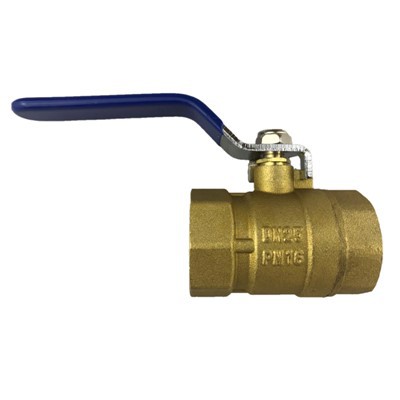
Hey there! I'm a supplier of Stainless Steel Gate Valves, and I've seen firsthand how crucial it is to understand what affects the flow velocity in these valves. In this blog, I'll break down the key factors that can make a big difference in how quickly and smoothly fluid moves through a stainless steel gate valve.
Valve Size
Let's start with one of the most obvious factors: valve size. The diameter of the valve opening plays a huge role in determining flow velocity. Think of it like a water pipe. A wider pipe allows more water to flow through at once, which generally means a higher flow velocity, assuming the pressure remains constant.
In the case of stainless steel gate valves, larger valves have a bigger cross - sectional area for the fluid to pass through. This reduces the resistance to flow, allowing the fluid to move faster. For example, if you have a small 1 - inch valve, the fluid has less space to move compared to a 4 - inch valve. So, when you're choosing a valve for your application, make sure to consider the required flow velocity and pick an appropriate size. You can also check out our Stainless Steel Ball Valve for different size options that might suit your needs.
Valve Opening Degree
The degree to which the gate valve is opened is another critical factor. A fully open gate valve provides the least amount of resistance to the flow of fluid. As the valve opens wider, the flow area increases, and the fluid can move more freely.
When the valve is partially open, it creates a restriction in the flow path. This restriction forces the fluid to flow through a smaller area, which can cause a decrease in flow velocity. It's like putting your thumb over the end of a garden hose. The more you cover the opening, the slower the water comes out, but the pressure at the opening increases. In a gate valve, a partially open position can also lead to turbulence, which further affects the flow characteristics.
Fluid Viscosity
Viscosity is a measure of a fluid's resistance to flow. Fluids with high viscosity, like honey or oil, flow more slowly than fluids with low viscosity, like water. When dealing with a stainless steel gate valve, the viscosity of the fluid passing through it has a significant impact on the flow velocity.
High - viscosity fluids require more energy to move through the valve. The internal friction within the fluid itself makes it harder for the fluid to flow smoothly. As a result, the flow velocity of a high - viscosity fluid through a gate valve will be lower compared to a low - viscosity fluid, even if all other factors are the same. For applications involving high - viscosity fluids, you might need to consider larger valve sizes or use additional equipment to increase the pressure and help the fluid flow.


Fluid Density
Density is another property of the fluid that affects flow velocity. Denser fluids, such as liquids with a lot of dissolved solids or certain types of gases under high pressure, have more mass per unit volume.
According to the principles of fluid dynamics, the mass of the fluid influences its momentum and the force required to move it. A denser fluid requires more force to be accelerated to a certain velocity. So, when a dense fluid passes through a stainless steel gate valve, the flow velocity might be lower compared to a less dense fluid. This is especially important in applications where the pressure available to move the fluid is limited.
Pressure Differential
The pressure differential across the valve is a major driver of flow velocity. Pressure differential is the difference in pressure between the inlet and the outlet of the valve. Simply put, the greater the pressure difference, the more force there is to push the fluid through the valve, resulting in a higher flow velocity.
If you have a high - pressure source on one side of the valve and a low - pressure area on the other, the fluid will rush through the valve at a faster rate. However, it's important to note that the valve's design and construction must be able to handle the pressure differential. Excessive pressure can cause damage to the valve, leading to leaks or even failure.
Pipe Roughness
The roughness of the interior surface of the pipes connected to the stainless steel gate valve can also affect flow velocity. Rough pipes create more friction between the fluid and the pipe wall. This friction acts as a resistance to the flow of the fluid, reducing its velocity.
Smooth pipes, on the other hand, allow the fluid to flow more easily. When installing a gate valve, it's a good idea to use pipes with a smooth interior finish to minimize friction and maximize flow velocity. You might also want to consider using pipe liners or coatings to further reduce roughness.
Valve Design and Construction
The design and construction of the stainless steel gate valve itself can have a significant impact on flow velocity. Some valves are designed with features that promote smooth and efficient flow, while others may create more turbulence or resistance.
For example, valves with a streamlined gate design allow the fluid to flow more smoothly around the gate, reducing the chances of turbulence. Additionally, the quality of the valve's internal components, such as the seals and the gate mechanism, can affect the flow. A well - made valve with tight - fitting seals and a smooth - operating gate will generally have better flow characteristics than a poorly constructed one.
Temperature
Temperature can also play a role in the flow velocity of a fluid through a stainless steel gate valve. For most fluids, an increase in temperature leads to a decrease in viscosity. As the fluid becomes less viscous, it flows more easily, which can result in an increase in flow velocity.
However, changes in temperature can also cause the expansion or contraction of the valve and the pipes. This can affect the fit of the valve components and the overall flow path. If the expansion or contraction is not properly accounted for, it can lead to leaks or changes in the valve's performance.
Now that you have a better understanding of the factors affecting the flow velocity in a stainless steel gate valve, you can make more informed decisions when it comes to selecting the right valve for your application. Whether you need a valve for a high - flow industrial process or a low - flow residential system, considering these factors will help ensure optimal performance.
If you're in the market for a stainless steel gate valve or any of our other products like Brass Ball Valve, Brass Globe Valve, Brass Y Strainer, or Brass Air Release Valve, don't hesitate to reach out. We're here to help you find the perfect solution for your needs. Let's start a conversation about your requirements and see how we can assist you in getting the best valve for your application!
References
- Darling, J. (2019). Fluid Mechanics for Engineers. McGraw - Hill.
- Munson, B., Young, D., & Okiishi, T. (2012). Fundamentals of Fluid Mechanics. Wiley.