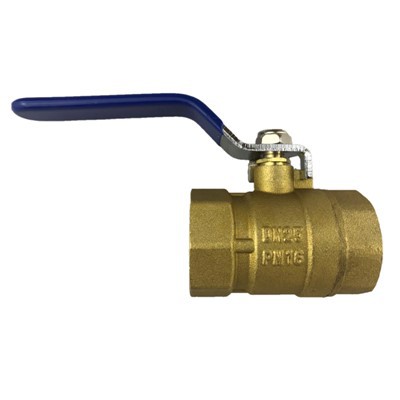
As a trusted supplier of brass gate valves, I understand the importance of proper installation to ensure the optimal performance and longevity of these essential components. In this blog post, I will share some crucial installation precautions for brass gate valves to help you avoid common pitfalls and ensure a successful installation.
1. Pre - installation Inspection
Before installing a brass gate valve, a thorough inspection is necessary. First, check for any visible damage on the valve body, such as cracks, dents, or scratches. These defects can compromise the valve's integrity and lead to leaks or malfunction over time. Examine the gate, stem, and seat for smooth operation. The gate should move freely up and down without any sticking or binding. If there are any signs of rough movement, it could indicate misalignment or internal damage.
Verify the size and pressure rating of the valve. Ensure that it matches the requirements of your piping system. Using a valve with an incorrect size or pressure rating can result in poor performance and safety hazards. For instance, if the pressure rating is too low, the valve may fail under high - pressure conditions, causing leaks or even pipe bursts.
2. Cleaning the Piping System
The piping system must be clean before installing the brass gate valve. Dirt, debris, and rust particles in the pipes can damage the valve's internal components, such as the seat and gate. Use a pipe cleaner or compressed air to remove any loose materials from the pipes. If there is significant rust or scale buildup, consider using a chemical cleaner to dissolve it. However, make sure to rinse the pipes thoroughly after using a chemical cleaner to prevent any residual chemicals from corroding the valve.
Flushing the pipes with water can also be an effective way to clean them. Run water through the pipes for a sufficient amount of time to ensure that all debris is removed. This step is especially important for new piping systems or those that have been idle for a long time.
3. Proper Orientation
Brass gate valves have a specific flow direction. Most gate valves are designed to have the flow enter from the bottom of the valve and exit from the top. Installing the valve in the wrong orientation can lead to poor performance and premature wear. Look for the arrow on the valve body that indicates the flow direction. Make sure to align this arrow with the actual flow direction in your piping system.
In addition to the flow direction, pay attention to the valve's position. The valve should be installed in a location where it is easily accessible for operation and maintenance. Avoid installing the valve in areas where it may be blocked by other equipment or structures.
4. Pipe Connection
When connecting the brass gate valve to the pipes, use the appropriate fittings and sealing materials. For threaded connections, apply a suitable thread sealant to prevent leaks. Make sure to follow the manufacturer's instructions when applying the sealant. Over - tightening the threaded connections can damage the valve or the pipes, while under - tightening can result in leaks.


For welded connections, ensure that the welding process is carried out by a qualified welder. Improper welding can cause stress on the valve body, leading to cracks or leaks. After welding, inspect the welds for any signs of defects, such as porosity or incomplete penetration.
5. Support and Bracing
Proper support and bracing are essential for the stability of the brass gate valve. The valve should be supported in such a way that it is not subjected to excessive stress or vibration. Use pipe supports or brackets to hold the valve in place. The supports should be installed at appropriate intervals along the pipes to prevent sagging or bending.
In addition, consider the weight of the valve and the fluid in the pipes. If the valve is installed in a vertical position, make sure to provide adequate support to prevent it from falling or shifting. For large - diameter valves, additional bracing may be required to ensure stability.
6. Pressure Testing
After installing the brass gate valve, it is important to conduct a pressure test to check for leaks. Close the valve and apply pressure to the piping system. The pressure should be gradually increased to the maximum operating pressure of the system. Hold the pressure for a sufficient amount of time, usually at least 10 - 15 minutes, and carefully inspect the valve and its connections for any signs of leakage.
If any leaks are detected, immediately shut off the pressure and repair the problem. Leaks can be caused by improper installation, damaged seals, or faulty valve components. Once the leaks are fixed, repeat the pressure test to ensure that the valve is functioning properly.
7. Avoiding Over - Torque
When operating the brass gate valve, avoid over - torqueing the handle. Over - torqueing can damage the valve's stem, seat, or other internal components. The valve should be opened and closed gently using the appropriate amount of force. If the valve is difficult to operate, it may indicate a problem, such as a blockage or misalignment. Do not force the valve to open or close; instead, investigate the cause of the problem and take appropriate measures to fix it.
8. Compatibility with Other Components
Consider the compatibility of the brass gate valve with other components in the piping system. For example, if the system contains other types of valves, such as Brass Ball Valve, Stainless Steel Globe Valve, Brass Air Release Valve, Brass Globe Valve, or Stainless Steel Gate Valve, make sure that they are all compatible in terms of size, pressure rating, and material. Incompatible components can lead to poor performance and potential safety issues.
Conclusion
Proper installation of brass gate valves is crucial for their reliable operation and long - term performance. By following these installation precautions, you can ensure that your brass gate valve functions effectively and safely. If you have any questions or need further assistance with the installation of brass gate valves, feel free to contact us. We are a professional supplier of high - quality brass gate valves and are committed to providing you with the best products and services. Whether you are in the process of a new installation or a valve replacement project, we can offer you the right solutions. Let's discuss your specific requirements and start a successful cooperation.
References
- Valve Handbook, various editions
- Piping Design and Engineering Standards