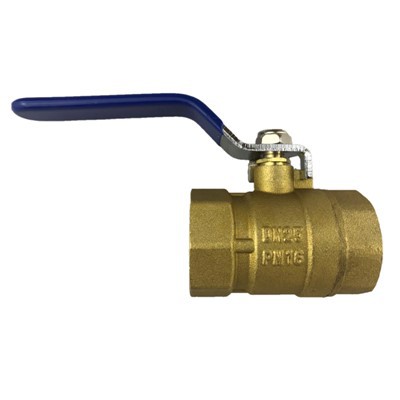
When it comes to the selection of valves for a slurry system, engineers and operators often face a multitude of choices. One question that frequently arises is whether a brass globe valve can be used for a slurry system. As a supplier of brass globe valves, I am well - versed in the properties of these valves and the requirements of slurry systems, and I will provide a comprehensive analysis in this blog.
Understanding Slurry Systems
A slurry system involves the transportation of a mixture of solid particles and a liquid, usually water. The solid particles can vary widely in size, shape, and hardness, from fine powders in the chemical industry to larger, abrasive particles in mining and mineral processing. Slurry systems often have challenging operating conditions, including high - velocity flow, abrasion, corrosion, and the potential for solids to settle out.
Key Characteristics of Slurry
- Abrasion: The solid particles in the slurry can cause significant wear on the internal components of valves. The harder and more angular the particles, the more aggressive the abrasion.
- Corrosion: Depending on the nature of the liquid and the solids in the slurry, corrosion can also be a major concern. For example, in some mining slurries, there may be acidic or alkaline components that can corrode valve materials.
- Settling: If the flow velocity in the slurry system is too low, the solid particles may settle, leading to blockages in pipes and valves.
Properties of Brass Globe Valves
Brass is an alloy composed mainly of copper and zinc, and brass globe valves have several notable features.
Advantages of Brass Globe Valves
- Good Machinability: Brass is relatively easy to machine, which allows for the production of globe valves with precise dimensions and smooth surfaces.
- Corrosion Resistance: In many non - aggressive environments, brass offers good corrosion resistance, especially against water and some mild chemicals.
- Cost - Effective: Compared to some other valve materials like stainless steel, brass is generally more cost - effective, which can be an important factor in large - scale projects.
Disadvantages of Brass Globe Valves
- Limited Abrasion Resistance: Brass is a relatively soft material compared to some other metals. In a slurry system with highly abrasive particles, the internal surfaces of a brass globe valve can wear quickly, leading to reduced valve performance and a shorter service life.
- Susceptibility to Certain Corrosive Agents: While brass has some corrosion resistance, it may not hold up well in highly acidic or alkaline slurries, or in slurries containing certain corrosive chemicals such as ammonia or sulfur compounds.
Suitability of Brass Globe Valves in Slurry Systems
The suitability of a brass globe valve for a slurry system depends on several factors.
Low - Abrasion and Low - Corrosion Slurries
In some cases where the slurry has relatively low - abrasion and low - corrosion properties, a brass globe valve may be a viable option. For example, in a system transporting a slurry of fine, soft particles in a non - corrosive liquid, the wear and corrosion on the brass valve may be minimal.
Low - Pressure and Low - Flow Applications
If the slurry system operates at low pressure and low flow rates, the stress on the brass globe valve is reduced. In such situations, the valve may be able to function for a reasonable period without excessive wear or damage. However, it is still important to monitor the valve regularly for signs of deterioration.
Filtration and Pretreatment
If the slurry is properly filtered or pre - treated to remove large or abrasive particles before entering the valve, a brass globe valve may have a better chance of being used effectively. Installing a Stainless Steel Y Strainer upstream of the valve can help protect the brass globe valve from large particles that could cause significant abrasion.
Alternatives to Brass Globe Valves in Slurry Systems
For more aggressive slurry applications, other types of valves may be more suitable.
Stainless Steel Globe Valves
Stainless Steel Globe Valves offer better abrasion and corrosion resistance compared to brass globe valves. They are made from stainless steel alloys, which are harder and more resistant to both wear and chemical attack. Stainless steel globe valves are a popular choice for slurry systems in industries such as mining and chemical processing.
Ball Valves
Brass Ball Valves and Stainless Steel Ball Valves are also commonly used in slurry systems. Ball valves have a simple design with a spherical closure element, which can be more resistant to solids build - up compared to globe valves. They also offer a full - bore flow path, reducing the risk of blockages.
Specialized Slurry Valves
There are also specialized valves designed specifically for slurry applications. These valves often have features such as hard - faced seats and liners made of wear - resistant materials, which can significantly extend the valve's service life in a slurry environment.
Considerations for Using Brass Globe Valves in Slurry Systems
If you are considering using a brass globe valve in a slurry system, here are some additional considerations.
Valve Design
Opt for a brass globe valve with a well - designed seat and plug. A precise - fitting seat can help minimize leakage and reduce the impact of slurry particles on the sealing surfaces. Some advanced designs may also incorporate features to reduce turbulence within the valve, which can help reduce wear.
Operating Conditions
Understand the specific operating conditions of the slurry system, including the flow rate, pressure, temperature, and the properties of the slurry itself. This information is crucial for determining whether a brass globe valve is suitable and for setting proper operating parameters.


Maintenance
Regular maintenance is essential when using a brass globe valve in a slurry system. This includes inspecting the valve for signs of wear and corrosion, cleaning the valve to remove any accumulated solids, and replacing worn parts as needed.
Conclusion
In conclusion, while a brass globe valve can be used in some slurry systems with low - abrasion and low - corrosion properties, it is generally not the first choice for highly aggressive slurry applications. However, in situations where the cost is a major concern and the operating conditions are relatively mild, a brass globe valve can provide a cost - effective solution. If you are searching for a reliable valve for your slurry system, we are here to assist you. As a supplier of high - quality [Brass Globe Valves](our product link), we have a wide range of valve options to meet your specific needs. Contact us to discuss your project requirements and find the best valve solution for your slurry system. Whether you need a valve for a low - stress slurry application or are considering more robust options for a challenging environment, we are ready to help you make an informed decision.
References
- ASM Handbook Volume 1: Properties and Selection: Irons, Steels, and High - Performance Alloys.
- Valve Selection Handbook by Cameron A. Watson.
- "Slurry Erosion and Corrosion - Erosion in Industrial Applications" by M. S. Joshi, et al.