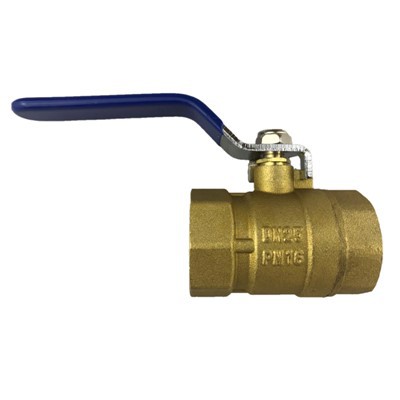
When it comes to Metal Seated Gate Valves, one key aspect that often gets overlooked but is super important is the water quality requirements. As a supplier of these valves, I've seen firsthand how different water qualities can impact the performance and lifespan of our products. So, let's dive right into what water quality means for a Metal Seated Gate Valve.
Basic Water Quality Parameters
First up, we've got to talk about the basic water quality parameters. These are the things that can directly affect how well our Metal Seated Gate Valves work.
-
pH Level: The pH level of water is a measure of how acidic or alkaline it is. A normal range is between 6.5 and 8.5. If the water is too acidic (low pH), it can corrode the metal parts of the valve. On the other hand, overly alkaline water (high pH) can cause scaling. Both scenarios can lead to premature wear and tear of the valve, reducing its efficiency and potentially causing leaks. For Metal Seated Gate Valves, we generally recommend keeping the pH within the normal range to ensure their long - term performance.
-
Temperature: Water temperature matters big time. Most Metal Seated Gate Valves are designed to handle a certain temperature range. If the water is too hot, the metal can expand, which might cause the valve to stick or lose its seal. Cold water can also be a problem as some metals become more brittle at low temperatures, increasing the risk of cracking. Usually, our valves can handle water temperatures between -20°C and 200°C, but it's always best to check the specific product specs for the exact range.
-
Turbidity: Turbidity refers to how cloudy the water is, which is caused by suspended particles like dirt, sand, or organic matter. High - turbidity water can cause abrasion to the valve's seating surface. As the valve opens and closes, these particles can scratch the metal, leading to a poor seal. This not only affects the valve's ability to control the flow but can also increase the risk of leakage. To deal with high - turbidity water, we might recommend additional filtration systems in the pipeline before the valve.


Chemical Composition of Water
The chemical composition of water can have a huge impact on Metal Seated Gate Valves.
-
Chlorides: Chlorides are commonly found in water, especially in areas with high salt content or where water is treated with chlorine. High levels of chlorides can cause pitting corrosion in the metal parts of the valve. Pitting corrosion creates small holes in the metal, which can weaken the valve structure and eventually lead to failure. If you're dealing with water that has a high chloride content, you might want to consider our Stainless Steel Flanged Gate Valve, which is more resistant to this type of corrosion.
-
Sulfates: Sulfates in water can react with the metal in the valve to form hard scale deposits. These deposits can build up on the valve's moving parts, making it difficult to operate the valve smoothly. In extreme cases, the valve might even get stuck in a certain position. Regular maintenance and choosing the right type of valve material can help mitigate the effects of sulfates.
-
Dissolved Oxygen: Dissolved oxygen in water can cause oxidation of the metal parts of the valve. Oxidation leads to rust, which can reduce the valve's lifespan and performance. To combat this, we can offer valves with special coatings or made from corrosion - resistant materials. Our Rising Stem Flanged Gate Valve can be a great option in waters with higher dissolved oxygen levels.
Microbiological Contaminants
Microbiological contaminants in water can also pose a threat to Metal Seated Gate Valves.
- Bacteria and Fungi: Some bacteria and fungi can form biofilms on the valve's surface. These biofilms can harbor more harmful microorganisms and can also cause corrosion under the film. The presence of biofilms can make it difficult to clean the valve and can lead to blockages in the valve passages. Regular disinfection of the water and proper cleaning of the valve can help prevent the growth of these biofilms.
Special Water Conditions
There are also some special water conditions that demand special attention.
-
Sea Water: Sea water is much more corrosive than fresh water due to its high salt content. Metal Seated Gate Valves used in sea - water applications need to be made from highly corrosion - resistant materials. Our Grooved Rising Stem Gate Valve with a suitable coating can be a great choice for sea - water systems.
-
Wastewater: Wastewater often contains a complex mixture of chemicals, solids, and microorganisms. The high level of contaminants in wastewater can severely damage the valve. For wastewater applications, we have Rising Stem Gate Valve models that are designed to withstand the harsh conditions, with features like heavy - duty construction and enhanced corrosion resistance.
-
Fire - fighting Water: Fire - fighting water systems often use additives like foam or chemicals to enhance fire - suppression capabilities. These additives can react with the valve material and cause damage. Our Grooved Signal Gate Valve is designed to work well in such environments, with materials that are compatible with common fire - fighting additives.
Impact of Water Quality on Valve Performance
The water quality can have a direct impact on the valve's performance in several ways.
-
Sealing Performance: Poor water quality can damage the valve's seating surface, leading to a poor seal. This means that the valve might not be able to fully stop the flow of water when it's closed, causing leaks. A good seal is essential for the proper functioning of the valve, especially in applications where precise flow control is required.
-
Operational Torque: Contaminants in the water can increase the friction between the valve's moving parts. This means that more force (operational torque) is required to open and close the valve. Over time, this can cause excessive wear on the valve's actuator and other components, leading to premature failure.
-
Maintenance Requirements: When the water quality is bad, the valve will require more frequent maintenance. This includes cleaning, replacing damaged parts, and checking for corrosion. By ensuring that the water quality meets the valve's requirements, you can reduce the maintenance frequency and costs associated with the valve.
Meeting the Water Quality Requirements
As a supplier, we're committed to helping our customers meet the water quality requirements for our Metal Seated Gate Valves. We offer a wide range of valve products that are designed to handle different water qualities. Our team of experts can also provide advice on water treatment and filtration systems to ensure that the water entering the valve is within the acceptable range.
If you're in the market for Metal Seated Gate Valves and want to learn more about how our products can work with your specific water quality, don't hesitate to reach out. We're here to help you find the right valve solutions for your projects. Contact us to start a discussion about your procurement needs and get a customized quote.
References
- "Valve Handbook" by Cameron Consulting and Engineering Services.
- "Water Quality and Its Impact on Industrial Equipment" published by the American Water Works Association.
- Internal technical documentation of Metal Seated Gate Valve performance under different water conditions.