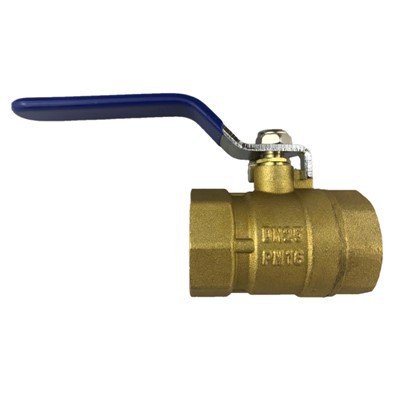
Hey there! I'm a supplier of Brass Air Release Valves. Over the years, I've learned a thing or two about testing the performance of these valves. In this blog, I'll share some ways and tips on how to do that effectively.
Why Test a Brass Air Release Valve?
Before we dive into the testing methods, let's quickly talk about why it's important to test these valves in the first place. A brass air release valve plays a crucial role in various systems, like water supply networks and heating systems. It helps to remove air from the system, which can prevent issues such as water hammer, reduced flow efficiency, and corrosion. If the valve doesn't work properly, it can lead to all sorts of problems, so testing is a must.
Visual Inspection
The first and easiest step in testing a Brass Air Release Valve is a visual inspection. This can give you a quick idea of the valve's condition. Check for any visible signs of damage, like cracks, dents, or corrosion on the brass body. Also, look at the moving parts, such as the float and the valve seat. Make sure they're in good shape and can move freely. If you notice any issues during the visual check, it might be a sign that the valve needs further testing or replacement.


Pressure Testing
Pressure testing is a key part of evaluating a brass air release valve's performance. You'll need a pressure gauge and a way to apply pressure to the valve. Here's how you can do it:
- First, connect the valve to the testing equipment. Make sure the connections are tight to prevent any leaks.
- Slowly increase the pressure in the system. You want to simulate the conditions that the valve will face in a real-world application. Keep an eye on the pressure gauge and the valve itself.
- As you increase the pressure, the valve should start to close properly. If there's any air trapped in the system, the valve should release it at the appropriate pressure. If the valve doesn't close or open as expected, it could be a sign of a problem.
- Check for any leaks around the valve body or the connections. Even a small leak can affect the valve's performance over time.
Flow Testing
Flow testing helps you determine how well the brass air release valve can handle the flow of fluid or air. Here's a simple way to conduct a flow test:
- Set up a flow meter in the system near the valve. This will allow you to measure the flow rate accurately.
- Start the flow of the fluid or air through the system. The valve should adjust to the flow and release air as needed.
- Monitor the flow rate and the valve's operation. You can compare the measured flow rate with the valve's rated flow capacity. If the flow rate is significantly lower than expected, it might indicate a blockage or a malfunction in the valve.
Durability Testing
Brass Air Release Valves need to be durable to withstand the conditions in a system. You can perform a basic durability test by cycling the valve multiple times.
- Use a testing device to open and close the valve repeatedly. You can set a specific number of cycles, for example, 100 or 1000 cycles.
- After the cycling test, check the valve again for any signs of wear or damage. Look at the moving parts and the valve seat for any signs of deterioration. If the valve shows significant wear after a relatively small number of cycles, it might not be a high-quality valve.
Compatibility Testing
In many systems, a brass air release valve will work alongside other components. So, it's important to test its compatibility with these components. For example, you might want to test it with Stainless Steel Y Strainer or Stainless Steel Gate Valve.
- Set up a test system with the brass air release valve and the other components. Make sure they're all properly installed and connected.
- Run the system for a period of time, and monitor how the valve and the other components interact. Check for any issues such as leaks, pressure imbalances, or abnormal noises.
Comparing with Standards
There are industry standards for brass air release valves. You can compare the performance of your valve with these standards to ensure it meets the requirements. For example, you can check the valve's pressure rating, flow capacity, and leakage rate against the relevant standards. If your valve doesn't meet the standards, it might need some improvements or adjustments.
Summing It Up
Testing the performance of a brass air release valve is an important process to ensure its proper functioning in a system. By conducting visual inspections, pressure tests, flow tests, durability tests, and compatibility tests, you can get a comprehensive understanding of the valve's performance. And don't forget to compare the results with industry standards.
If you're in the market for high-quality Brass Air Release Valves, we've got you covered. We also offer other types of valves, such as Stainless Steel Globe Valve and Brass Y Strainer. If you're interested in learning more about our products or have any questions about valve testing, feel free to reach out. We're always happy to have a chat and discuss your needs.
References
- Valve Handbook, Various Authors
- Industry Standards for Air Release Valves