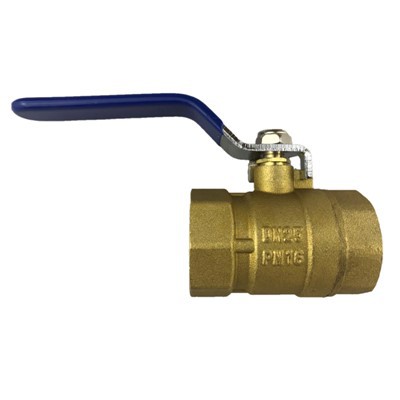
Hey there! As a supplier of Metal Seated Gate Valves, I've seen firsthand how high - velocity flow can have a significant impact on these essential pieces of equipment. In this blog, I'm gonna break down what high - velocity flow is, how it affects Metal Seated Gate Valves, and what you can do to deal with these effects.
First off, let's talk about high - velocity flow. In fluid systems, velocity refers to how fast the fluid is moving through a pipe or valve. High - velocity flow occurs when the fluid moves at a speed that's much faster than normal. This can happen due to a variety of reasons, like a sudden change in the pressure of the system, a small pipe diameter, or a high - powered pump pushing the fluid through the system.
So, how does this high - velocity flow affect Metal Seated Gate Valves? Well, there are several key areas where the impact is felt the most.
Erosion
One of the most obvious and immediate effects is erosion. When a high - velocity fluid flows through a Metal Seated Gate Valve, it can carry small particles like sand, grit, or scale. These particles act like tiny abrasives, rubbing against the valve components as the fluid rushes by. Over time, this constant abrasion wears away the metal surfaces of the valve.
For example, the gate itself, which is the part that moves up and down to control the flow of the fluid, can get eroded. As the gate gets worn, it may not fit as snugly into the valve seat. This can lead to leaks, reducing the valve's effectiveness in controlling the flow of the fluid. The valve seat, which is the area where the gate seals against, is also at risk. Erosion on the seat can prevent a proper seal, allowing fluid to pass through even when the valve is supposed to be closed.
Cavitation
Cavitation is another major issue caused by high - velocity flow. When the fluid velocity is really high, the pressure in certain areas of the valve can drop below the vapor pressure of the fluid. This causes small vapor bubbles to form in the fluid. As these bubbles move to an area of higher pressure, they collapse suddenly. This collapse generates a powerful shockwave that can damage the metal surfaces of the valve.


The repeated formation and collapse of these bubbles can cause pitting and damage to the gate, seat, and other internal components of the Metal Seated Gate Valve. Cavitation not only weakens the valve's structure but can also increase the noise and vibration levels in the system, which can be a sign of potential failure.
Vibration and Noise
High - velocity flow can also cause significant vibration and noise in Metal Seated Gate Valves. The force of the fast - moving fluid against the valve components can create an imbalance, leading to vibrations. These vibrations can be a nuisance, but they can also be a sign of a more serious problem. Excessive vibration can loosen the valve's connections, cause wear on the valve stem and other moving parts, and even lead to fatigue failure of the valve body over time.
The noise generated by high - velocity flow is often a result of the turbulent flow and cavitation. If you've ever heard a valve making a loud, rattling noise, that's usually a sign that there's an issue with the flow velocity.
Strategies for Mitigation
Now that we've discussed the negative impacts of high - velocity flow on Metal Seated Gate Valves, let's talk about what you can do to mitigate these effects.
One option is to use a valve with a larger port size. By increasing the cross - sectional area of the flow path, you can reduce the fluid velocity. This can help minimize erosion, cavitation, and vibration. For instance, a Stainless Steel Flanged Gate Valve with a larger port can handle a high - flow rate without the same level of velocity - related issues as a smaller valve.
Another strategy is to install flow - control devices upstream of the valve. These devices, such as orifice plates or flow restrictors, can regulate the flow velocity before it reaches the valve. By controlling the flow, you can prevent the fluid from moving at an excessively high speed through the valve.
Proper material selection is also crucial. Choose valve materials that are more resistant to erosion and cavitation. Some metals, like stainless steel, have better corrosion and wear resistance properties compared to others. Our Metal Seated Gate Valve is made from high - quality materials that can withstand the challenges posed by high - velocity flow.
Regular maintenance is a must. Inspect the valve components regularly for signs of erosion, cavitation, and wear. Replace any damaged parts promptly to prevent further damage and ensure the proper functioning of the valve.
Different Types of Gate Valves and High - Velocity Flow
Let's briefly look at how different types of gate valves handle high - velocity flow.
The Rising Stem Flanged Gate Valve has a stem that rises as the valve opens, which gives a visual indication of the valve's position. In high - velocity flow situations, the rising stem design can sometimes be more prone to vibration because the stem is exposed and can be affected by the fluid forces. However, with proper support and installation, it can still work effectively.
The Resilient Seat Gate Valve has a rubber or elastomeric seat. While this seat provides a good seal, high - velocity flow can cause the seat material to wear out faster, especially if there are abrasive particles in the fluid.
The Mechanical Locking Gate Valve has a locking mechanism that can keep the valve in a particular position. In high - velocity flow scenarios, the locking mechanism needs to be strong enough to withstand the forces exerted by the fluid to prevent accidental opening or closing.
Conclusion
High - velocity flow can have a profound impact on Metal Seated Gate Valves. From erosion and cavitation to vibration and noise, these effects can reduce the valve's lifespan and efficiency. But by understanding these impacts and implementing the right mitigation strategies, you can ensure that your Metal Seated Gate Valves perform well even in high - velocity flow conditions.
If you're in the market for a reliable Metal Seated Gate Valve or need advice on dealing with high - velocity flow issues, don't hesitate to reach out. We've got the expertise and a wide range of products to meet your needs. Whether you need a Stainless Steel Flanged Gate Valve, a Rising Stem Flanged Gate Valve, or any other type of gate valve, we're here to help. Let's start a conversation about your requirements and find the perfect solution for your fluid system.
References
- Fluid Mechanics textbooks for general fluid flow principles
- Valve engineering manuals for information on valve design and performance