Torque is a fundamental concept when it comes to the operation of various valves, including the stainless steel gate valve. As a proud supplier of Stainless Steel Gate Valve, understanding the torque requirements for these valves is crucial for both us and our customers. In this blog post, we will delve into what torque is, why it matters for stainless steel gate valves, and how to determine the appropriate torque for their operation.
What is Torque?
Torque is a measure of the force that can cause an object to rotate about an axis. In the context of a valve, torque is applied to the valve stem to open or close the valve. It is essentially the rotational equivalent of linear force. The unit of torque is typically Newton - meters (N·m) in the SI system, or foot - pounds (ft·lb) in the imperial system.
Mathematically, torque (T) is calculated as the product of the force (F) applied perpendicular to the lever arm and the length of the lever arm (r), i.e., (T = F\times r). In the case of a valve, the force is usually applied by an operator using a wrench or a valve actuator, and the lever arm is the radius from the valve stem's axis to the point where the force is applied.
Importance of Torque in Operating Stainless Steel Gate Valves
Stainless steel gate valves are widely used in various industries for their excellent corrosion resistance, durability, and ability to provide a tight shut - off. However, proper torque application is essential for several reasons:
1. Proper Seat Sealing
To ensure a leak - free seal when the valve is closed, the correct amount of torque must be applied. If the torque is too low, the valve gate may not be pressed firmly against the valve seats, resulting in leakage. On the other hand, excessive torque can damage the valve seats, leading to premature wear and also potential leakage over time.
2. Avoiding Stem Damage
The valve stem is the component that connects the actuator or the operator to the valve gate. Applying too much torque can cause the stem to bend or break, rendering the valve inoperable. Conversely, insufficient torque may not be able to move the gate smoothly, leading to jamming and potential damage to the stem threading.
3. Actuator Selection
For automated valve systems, the actuator must be sized correctly to provide the necessary torque to operate the valve. Knowledge of the torque requirements helps in selecting an appropriate actuator, which is crucial for the reliable and efficient operation of the valve.
Factors Affecting the Torque Required to Operate a Stainless Steel Gate Valve
1. Valve Size
Larger valves generally require more torque to operate. This is because the larger the valve, the greater the surface area of the gate and seats. As a result, there is more frictional force between the gate and seats, and more force is needed to move the gate. For example, a 10 - inch stainless steel gate valve will typically require significantly more torque to open or close than a 2 - inch valve.
2. Pressure Rating
Higher pressure-rated valves usually need more torque. The pressure in the pipeline exerts a force on the valve gate, and this additional force must be overcome when opening or closing the valve. A valve designed for a high - pressure application, such as in an oil and gas pipeline, will have a higher torque requirement compared to a valve used in a low - pressure water supply system.
3. Friction
Friction plays a major role in determining the torque required. There are several sources of friction in a gate valve, including the friction between the gate and the seats, the friction within the valve stem packing, and the friction at the valve stem threads. The material and surface finish of these components can affect the amount of friction. For instance, a valve with a rough - surfaced gate or seat will have higher friction and thus require more torque to operate.
4. Temperature
Extreme temperatures can also influence the torque requirement. At high temperatures, the metal parts of the valve may expand, increasing the frictional forces. In contrast, at very low temperatures, the materials may become more brittle, and the lubrication properties may change, also affecting the torque needed to operate the valve.
How to Determine the Torque for a Stainless Steel Gate Valve
1. Manufacturer's Data
The best starting point is to refer to the manufacturer's documentation. Valve manufacturers typically conduct extensive testing to determine the torque requirements for their valves. They provide torque charts or tables that specify the recommended torque for different valve sizes, pressure ratings, and operating conditions. As a Stainless Steel Gate Valve supplier, we always ensure that our customers have access to accurate and detailed torque information for each valve we sell.
2. Calculation Methods
In some cases, when the manufacturer's data is not available or in special circumstances, torque can be calculated using engineering formulas. However, these calculations can be quite complex and require a detailed understanding of the valve's design, material properties, and operating conditions. One common approach is to consider the frictional forces acting on the gate and the stem and calculate the torque required to overcome these forces.
Torque and Valve Actuators
As mentioned earlier, choosing the right actuator is crucial for the proper operation of a stainless steel gate valve. There are different types of actuators, including electric, pneumatic, and hydraulic actuators.
An electric actuator converts electrical energy into mechanical torque. Pneumatic actuators use compressed air to generate torque, while hydraulic actuators use pressurized hydraulic fluid. When selecting an actuator, the torque output of the actuator must be matched to the torque requirement of the valve. If the actuator's torque is too low, it will not be able to open or close the valve. If it is too high, it may damage the valve.


Related Valve Products
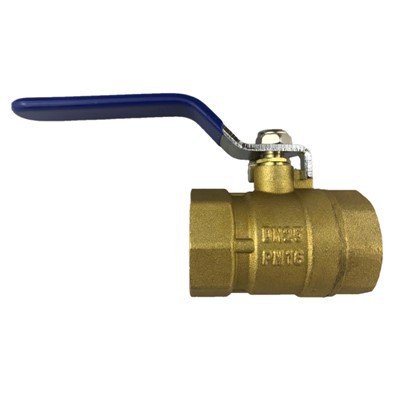
In addition to Stainless Steel Gate Valve, we also supply a range of other valve products. Our Brass Ball Valve is known for its quick - acting operation and excellent flow control. The Brass Globe Valve is suitable for applications that require precise flow regulation. And our Brass Air Release Valve helps to remove air from the piping system, preventing air - related problems such as water hammer. We also offer Stainless Steel Y Strainer to filter out debris and protect the downstream equipment.
Contact Us for Procurement
If you are in the market for high - quality stainless steel gate valves or any of our other valve products, and you have questions about torque requirements or any other technical aspects, we are here to help. Our team of experts has extensive knowledge and experience in the valve industry and can provide you with the best advice and solutions. Contact us for a detailed discussion on your specific requirements and let's work together to find the perfect valve products for your applications.
References
- Valve Handbook, edited by J. Carmichael.
- ASME standards on valve design and operation.
- Manufacturer's technical documentation on stainless steel gate valves.