Hey there! As a supplier of rubber flap check valves, I often get asked if there are any differences in these valves for different pressures. Well, the short answer is yes, and in this blog, I'll break it all down for you.
Understanding Rubber Flap Check Valves
First off, let's quickly go over what rubber flap check valves are. These valves are designed to allow fluid to flow in one direction and prevent backflow. They work by using a rubber flap that opens when the fluid is flowing in the correct direction and closes to stop reverse flow. They're used in a variety of applications, from water supply systems to industrial processes.
The Impact of Pressure on Rubber Flap Check Valves
Material Selection
One of the biggest differences based on pressure is the material used for the rubber flap. For low - pressure applications, a softer rubber material might work just fine. Softer rubbers are more flexible, which means the flap can open and close easily with the low - force flow of the fluid. However, when we're talking about high - pressure systems, a much tougher and more resistant rubber is needed. A high - pressure flow can exert a significant amount of force on the flap, and a softer rubber could get damaged or deform under this pressure. For example, nitrile rubber is often a good choice for medium - pressure applications due to its good balance of flexibility and durability. But for high - pressure scenarios, ethylene propylene diene monomer (EPDM) rubber might be a better option because of its excellent resistance to high pressures and various chemicals.
Design and Construction
The design of the rubber flap check valve also varies with pressure. In low - pressure valves, a simpler design can be sufficient. The flap might be attached in a more straightforward way, and the overall structure of the valve doesn't need to be as robust.
In contrast, high - pressure rubber flap check valves need a more complex and sturdy design. The housing of the valve has to be thicker and made of stronger materials to withstand the high internal pressures. The attachment of the rubber flap also needs to be more secure. For instance, in high - pressure valves, the flap might be bonded or clamped in a way that can handle the forces exerted by the high - pressure fluid without detaching.
Performance and Sealability
Pressure also affects the performance and sealability of the valve. In low - pressure situations, a basic seal is usually enough to prevent backflow. The rubber flap can seal against the valve seat with relatively less force.
However, in high - pressure applications, a more reliable seal is crucial. Even a small leak in a high - pressure system can lead to significant problems, such as loss of fluid, pressure drops, or even system failure. High - pressure rubber flap check valves are designed to create a tight seal that can withstand the high - pressure forces. They might have special sealing features, like a scalloped edge on the flap or a specially designed valve seat, to ensure a better seal.
Comparing Different Pressure - Rated Valves in Real - World Applications
Let's take a look at some real - world examples to better understand these differences.
Low - Pressure Applications
In a domestic water supply system, the pressure is usually relatively low. Here, a rubber flap check valve with a soft rubber flap can work great. These valves are easy to install and can effectively prevent backflow of water in small pipes. For example, in a household plumbing system where the water pressure is around 30 - 50 psi, a simple rubber flap check valve can keep the water flowing in the right direction and prevent dirty water from flowing back into the clean water supply.
High - Pressure Applications
In an industrial hydraulic system, the pressures can be extremely high. For instance, in a heavy - duty manufacturing plant, hydraulic systems might operate at pressures of 1000 psi or more. In these situations, a high - pressure rubber flap check valve is essential. The valve needs to be able to withstand the high pressure without any leakage or damage. The tough rubber flap and the robust housing of the high - pressure valve ensure reliable operation in these demanding environments.
Other Valve Types in the Context of Pressure
While we're on the topic of valves and pressure, it's worth mentioning some other related valve types. You might also be interested in valves like the Electric Modulated Dynamic Balance Valve, which is used to control fluid flow and balance pressure in a system. The Dynamic Balance Valve also plays a crucial role in maintaining the right pressure and flow in a system.
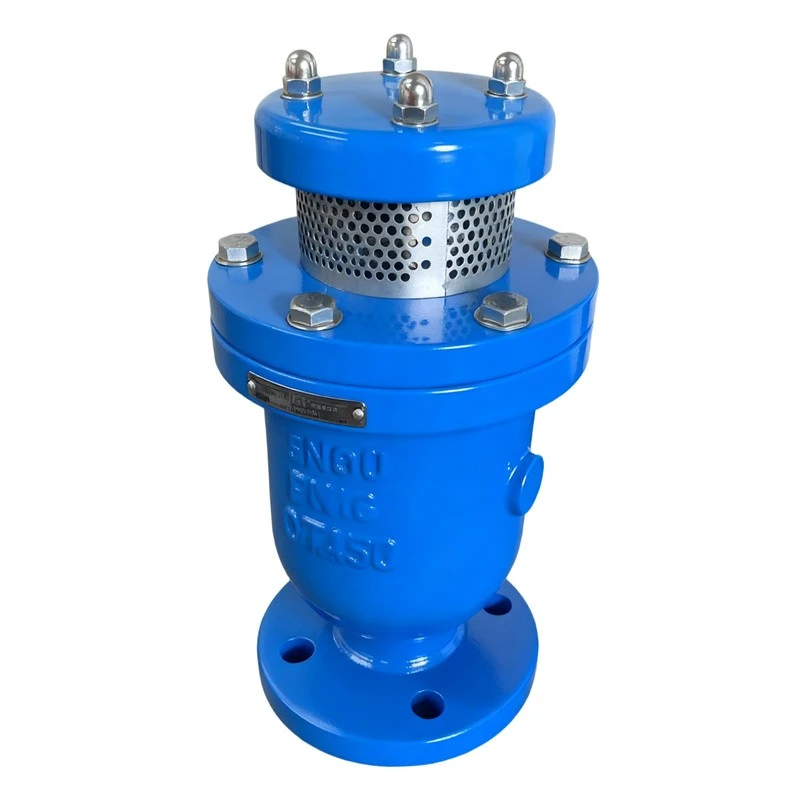
The Composite Air Release Valve is important for getting rid of air in a system, which can affect pressure and the performance of valves. And the Y Strainer is used to filter out debris, which can also impact the pressure and operation of valves like the rubber flap check valve.
Another valve type, the Silent Check Valve, is designed to reduce noise during operation, which can be an issue in high - pressure systems where the flow of fluid can cause a lot of noise.

Why Choose Our Rubber Flap Check Valves
As a supplier of rubber flap check valves, we understand the importance of matching the valve to the right pressure application. We offer a wide range of valves, from low - pressure to high - pressure ones. Our team has years of experience in the valve industry and can help you choose the perfect valve for your specific needs.
We ensure that all our valves are made with high - quality materials and go through strict quality control processes. Whether you're dealing with a simple domestic water system or a complex industrial application, we've got the right rubber flap check valve for you.
Time to Get in Touch
If you're in the market for rubber flap check valves or any of the other valve types I mentioned, don't hesitate to reach out. We're here to provide you with the best products and advice. Whether you need help selecting the right valve for a specific pressure or have questions about installation and maintenance, our team is ready to assist. Start the conversation and let's find the perfect valve solutions for your projects!
References
- "Valve Handbook: Selection, Installation, and Troubleshooting", Author unknown, General Valve Publishing
- "Fluid Mechanics and Hydraulic Machines", By R. K. Bansal, Laxmi Publications