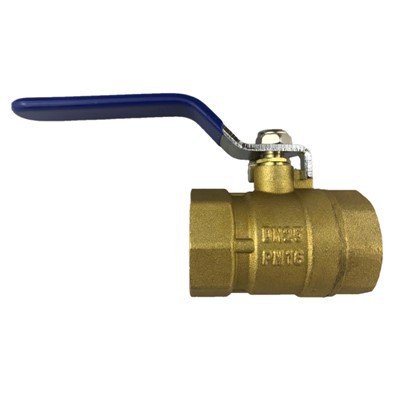
In the realm of fluid control systems, the question of whether small valves are reliable is one that often surfaces among engineers, technicians, and procurement professionals. As a supplier of small valves, I have witnessed firsthand the diverse applications and performance requirements these components face. In this blog, I aim to delve into the reliability of small valves, exploring the factors that contribute to their dependability and addressing common concerns.
Understanding Small Valves
Small valves play a crucial role in a wide range of industries, from plumbing and HVAC systems to automotive and aerospace applications. These valves are designed to regulate the flow of fluids, such as water, gas, and oil, in a precise and efficient manner. Despite their compact size, small valves are engineered to withstand high pressures and temperature variations, making them suitable for demanding environments.
There are several types of small valves available in the market, each with its own unique features and advantages. Some of the most common types include Brass Gate Valve, Stainless Steel Globe Valve, Brass Ball Valve, Stainless Steel Gate Valve, and Stainless Steel Y Strainer. These valves are made from different materials, such as brass, stainless steel, and plastic, to meet the specific requirements of various applications.
Factors Affecting the Reliability of Small Valves
The reliability of small valves depends on several factors, including the design, materials, manufacturing process, and maintenance. Let's take a closer look at each of these factors:
Design
The design of a small valve is critical to its reliability. A well-designed valve should be able to provide precise flow control, minimize pressure drop, and prevent leakage. It should also be easy to install, operate, and maintain. When selecting a small valve, it is important to consider the specific requirements of the application, such as the flow rate, pressure, temperature, and fluid type.
Materials
The materials used in the construction of a small valve can have a significant impact on its reliability. Different materials have different properties, such as corrosion resistance, strength, and durability. For example, brass valves are commonly used in plumbing applications because they are resistant to corrosion and have good mechanical properties. Stainless steel valves, on the other hand, are more suitable for applications where high corrosion resistance is required, such as in the food and beverage industry.
Manufacturing Process
The manufacturing process of a small valve can also affect its reliability. A high-quality valve should be manufactured using advanced techniques and equipment to ensure consistent quality and performance. The manufacturing process should include strict quality control measures to detect and correct any defects or inconsistencies.
Maintenance
Proper maintenance is essential to ensure the reliability of small valves. Regular maintenance can help to prevent leaks, reduce wear and tear, and extend the service life of the valve. Maintenance tasks may include cleaning, lubrication, inspection, and replacement of worn parts. It is important to follow the manufacturer's recommendations for maintenance and to use only genuine replacement parts.


Addressing Common Concerns
Despite the many advantages of small valves, there are some common concerns that users may have regarding their reliability. Let's address some of these concerns:
Leakage
Leakage is one of the most common problems associated with small valves. It can be caused by a variety of factors, such as improper installation, worn seals, or damaged valve seats. To prevent leakage, it is important to ensure that the valve is installed correctly and that the seals and valve seats are in good condition. Regular maintenance can also help to detect and repair any leaks before they become a major problem.
Wear and Tear
Small valves are subject to wear and tear over time, especially in applications where they are frequently opened and closed. This can lead to reduced performance and reliability. To minimize wear and tear, it is important to select a valve that is designed for the specific application and to use it within its recommended operating limits. Regular maintenance can also help to detect and replace any worn parts before they cause a failure.
Corrosion
Corrosion is another common problem that can affect the reliability of small valves. It can be caused by exposure to harsh chemicals, high temperatures, or moisture. To prevent corrosion, it is important to select a valve that is made from a corrosion-resistant material and to protect it from the environment. Regular maintenance can also help to detect and remove any corrosion before it causes damage to the valve.
Conclusion
In conclusion, small valves can be reliable components when they are designed, manufactured, and maintained properly. By considering the factors that affect their reliability and addressing common concerns, users can ensure that these valves perform effectively and efficiently in their applications. As a supplier of small valves, I am committed to providing high-quality products and excellent customer service to meet the needs of our customers.
If you are interested in learning more about our small valves or have any questions about their reliability, please feel free to contact us to discuss your procurement needs. I am confident that we can provide you with the right valve solution for your application.
References
- Thompson, R. (2019). Fluid Control Handbook. Elsevier.
- Smith, J. (2020). Valve Technology and Applications. Wiley.
- Brown, A. (2021). Maintenance and Troubleshooting of Valves. McGraw-Hill.