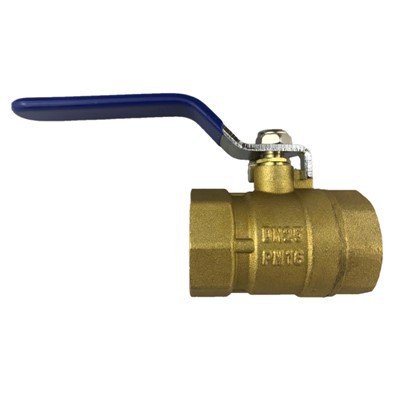
Hey there! As a butterfly valve supplier, I've seen firsthand how crucial it is to properly test these valves. It's not just about making sure they work; it's about ensuring they're safe, reliable, and up to the task. So, let's dive into how to test a butterfly valve.
1. Visual Inspection
Before you even start the actual testing, a good visual inspection is a must. Take a close look at the valve. Check for any obvious signs of damage like cracks, dents, or scratches on the valve body, disc, and stem. Look at the seat to make sure it's not worn or damaged. Any of these issues could lead to problems later on, so it's important to catch them early.
A damaged valve can cause leaks, which can be a big headache in any system. For example, in a water treatment plant, a leaking butterfly valve could waste a significant amount of water and potentially contaminate the surrounding area. So, take your time during this step and don't rush it.
2. Handling and Operation Test
Next up, it's time to check how easy the valve is to operate. This involves manually opening and closing the valve. For a Lever Operated Butterfly Valve, simply move the lever. You should feel a smooth, consistent movement. If there's any jerking or resistance, it could indicate a problem with the internal components.
For a Worm Gear Butterfly Valve or a Gear Operated Butterfly Valve, use the gear mechanism. Turn the gear slowly and make sure the valve opens and closes fully. The operation should be relatively easy, and you shouldn't have to use excessive force. If you do, there might be something stuck inside the valve or the gears might be misaligned.
3. Pressure Testing
Pressure testing is one of the most important tests for a butterfly valve. It helps you determine if the valve can handle the pressure it's designed for without leaking. There are two main types of pressure tests: hydrostatic and pneumatic.
Hydrostatic Testing
In hydrostatic testing, you fill the valve with water and then apply pressure. First, close the valve and connect it to a pressure source. Slowly fill the valve with water, making sure to remove all the air. Then, gradually increase the pressure to the specified test pressure. Keep the pressure steady for a set period, usually around 10 - 15 minutes.
During this time, inspect the valve for any leaks. Look at the connections, the seat, and the body of the valve. If you see any drips or moisture, it means there's a leak. You'll need to identify the source of the leak and fix it before the valve can be used. Hydrostatic testing is great because water is incompressible, so it gives you a very accurate picture of how the valve will perform under pressure.
Pneumatic Testing
Pneumatic testing uses air or gas instead of water. It's similar to hydrostatic testing, but there are a few differences. Since air is compressible, you need to be more careful when increasing the pressure. You also need to use a soap solution to check for leaks. Apply the soap solution to all the potential leak points, and if you see bubbles forming, there's a leak.
Pneumatic testing is often used when the valve will be used in a gas system or when you don't want to deal with the mess of water. However, it's not as accurate as hydrostatic testing because air can leak through very small gaps that water might not.
4. Flow Testing
Flow testing is all about how well the valve controls the flow of fluid through it. To do a flow test, you need to install the valve in a test pipeline. Connect a flow meter to the pipeline to measure the flow rate.
Open the valve fully and record the flow rate. Then, gradually close the valve in increments and record the flow rate at each position. This will give you a flow characteristic curve for the valve. The curve should be smooth and predictable. If there are any sudden drops or spikes in the flow rate, it could indicate a problem with the valve's design or operation.
Flow testing is important because it helps you determine if the valve is suitable for the specific application. For example, in a chemical processing plant, you need to make sure the valve can accurately control the flow of different chemicals at different rates.
5. Sealing Performance Test
The sealing performance of a butterfly valve is crucial for preventing leaks. To test the sealing performance, you can use a pressure test again. Close the valve and apply pressure on one side of the valve. Check if there's any leakage on the other side.
You can also use a seat leakage test. In this test, you use a low-pressure gas or liquid to check if the valve seat can seal properly. Apply the medium to one side of the valve and check for any leakage over a specific period. The amount of leakage should be within the acceptable limits specified by the valve manufacturer.
A good sealing performance ensures that the valve can maintain the integrity of the system. In a fuel storage facility, for instance, a valve with poor sealing can lead to fuel leakage, which is not only wasteful but also a safety hazard.
6. Material and Coating Inspection
Don't forget about the materials and coatings used in the valve. For a Stainless Steel Butterfly Valve, check the quality of the stainless steel. Make sure it has the right corrosion resistance properties for the intended application.
Inspect any coatings on the valve as well. Coatings can provide additional protection against corrosion, wear, and chemical damage. Look for any signs of peeling, chipping, or uneven coating. If the coating is damaged, it could expose the underlying material to corrosion, which can shorten the valve's lifespan.
Conclusion
Testing a butterfly valve is a comprehensive process that involves multiple steps. From visual inspection to pressure, flow, and sealing performance tests, each step is important for ensuring the valve's quality and reliability.
If you're in the market for high - quality butterfly valves like our Worm Gear Operated Flange Butterfly Valve, or you have any questions about valve testing, don't hesitate to reach out. We're here to help you find the right valves for your needs and ensure they perform at their best.


References
- Valves Manual, various industry standards organizations.
- Engineering textbooks on fluid control and valve technology.