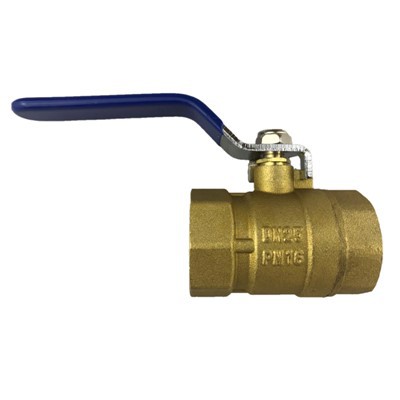
Stainless steel ball valves are essential components in various industries, known for their durability, corrosion resistance, and reliable performance. As a leading supplier of stainless steel ball valves, I am often asked about the materials used in their production. In this blog post, I will delve into the different materials that go into making a high - quality stainless steel ball valve.
Stainless Steel Grades
The most fundamental material for a stainless steel ball valve is, of course, stainless steel. Different grades of stainless steel are used depending on the application requirements.
304 Stainless Steel
304 stainless steel is one of the most commonly used grades in the production of ball valves. It contains approximately 18% chromium and 8% nickel. This combination provides excellent corrosion resistance in a wide range of environments, including normal atmospheric conditions and many mild chemical solutions. Valve bodies made from 304 stainless steel are suitable for general - purpose applications in industries such as food and beverage, water treatment, and light - duty chemical processing.
316 Stainless Steel
For more demanding applications, 316 stainless steel is often the preferred choice. It has a higher nickel content (around 10 - 14%) and also contains 2 - 3% molybdenum. The addition of molybdenum significantly enhances the corrosion resistance, especially in chloride - rich environments. This makes 316 stainless steel ball valves ideal for use in marine applications, chemical processing plants dealing with harsh chemicals, and pharmaceutical industries where high - purity and corrosion resistance are crucial.
Duplex Stainless Steel
Duplex stainless steel has a two - phase microstructure consisting of ferrite and austenite. It offers a combination of high strength and excellent corrosion resistance. Duplex stainless steel ball valves are commonly used in applications where high pressure and resistance to stress - corrosion cracking are required, such as in oil and gas pipelines and offshore platforms.
Other Components and Their Materials
Ball
The ball inside the valve is a critical component. In addition to being made from the same stainless steel grades mentioned above, advanced manufacturing processes are used to ensure its smooth surface and precise dimensions. A polished ball surface reduces friction during operation, allowing for easy opening and closing of the valve.
Seat
The seat of the ball valve provides a seal against the ball when the valve is closed. Common materials for valve seats include PTFE (Polytetrafluoroethylene) and RPTFE (Reinforced Polytetrafluoroethylene). PTFE is known for its low friction coefficient, excellent chemical resistance, and wide temperature range tolerance. RPTFE, on the other hand, has enhanced mechanical strength by adding fillers such as glass fiber or carbon fiber, which makes it more suitable for high - pressure applications.
Stem
The stem is responsible for transmitting the rotational force from the actuator to the ball. It is typically made from stainless steel to resist corrosion and ensure long - term durability. The stem is designed to be strong enough to withstand the torque required to operate the valve, and its surface finish is carefully controlled to prevent leakage along the stem.
Gasket
Gaskets are used to seal the joints between different parts of the valve, such as between the valve body and the bonnet. Materials like graphite, rubber (such as EPDM - Ethylene Propylene Diene Monomer), and PTFE are commonly used for gaskets. Graphite gaskets offer good sealing performance at high temperatures and pressures. EPDM gaskets are suitable for applications involving water, steam, and some mild chemicals, while PTFE gaskets provide excellent chemical resistance.
Comparison with Other Valve Types
When considering valve options, it's important to compare stainless steel ball valves with other types of valves. For instance, Brass Ball Valve is another popular choice. Brass ball valves are often more cost - effective and are suitable for low - pressure and low - temperature applications in residential and light - commercial settings. However, they may not have the same level of corrosion resistance as stainless steel ball valves, especially in harsh chemical or marine environments.
Stainless Steel Gate Valve is used for applications where a full - bore flow is required. Gate valves are designed to either be fully open or fully closed, and they are typically used in large - diameter pipelines. In contrast, ball valves can be used for both on - off and throttling applications, offering more flexibility in flow control.


Stainless Steel Globe Valve is known for its excellent throttling capabilities. It can precisely control the flow rate by adjusting the position of the disc. However, globe valves have higher pressure drops compared to ball valves, which can be a drawback in some applications where energy efficiency is a concern.
Additional Accessories and Their Materials
In some cases, stainless steel ball valves may be equipped with additional accessories. For example, Stainless Steel Y Strainer can be installed upstream of the ball valve to remove solid particles from the fluid, protecting the valve and other downstream equipment. The strainer basket is usually made from stainless steel to ensure corrosion resistance and durability.
Brass Air Release Valve can be used in systems to release trapped air. While the body of the air release valve may be made of brass, the internal components are carefully selected to ensure proper functioning and compatibility with the fluid in the system.
Why Choose Our Stainless Steel Ball Valves
As a supplier, we take pride in offering high - quality stainless steel ball valves. Our valves are manufactured using the finest materials, and we adhere to strict quality control standards throughout the production process. We understand that different industries have unique requirements, and we can provide customized solutions based on the specific needs of our customers. Whether you need a valve for a high - pressure chemical process, a marine application, or a simple water supply system, we have the expertise and resources to meet your demands.
If you are in the market for stainless steel ball valves or have any questions about our products, we encourage you to contact us for procurement and further discussions. Our team of experts is ready to assist you in selecting the most suitable valve for your application and providing you with competitive pricing and excellent after - sales service.
References
- ASM Handbook Committee. (2004). ASM Handbook Volume 13C: Corrosion: Environments and Industries. ASM International.
- Valve Manufacturers Association. (2019). Valve Standards and Guidelines. VMA Publications.