As a supplier of Stainless Steel Globe Valves, I often encounter customers who are confused about the differences between soft - seated and hard - seated stainless steel globe valves. In this blog, I will delve into these differences to help you make a more informed decision when selecting the right valve for your specific needs.
Structure and Materials
Let's start with the structure and materials. A soft - seated stainless steel globe valve typically uses a soft material, such as rubber or PTFE (polytetrafluoroethylene), for the valve seat. These soft materials are known for their excellent sealing properties. They can conform to the surface of the valve disc, creating a tight seal even under relatively low pressures. This is especially useful in applications where preventing leakage is of utmost importance, such as in some chemical processing or water treatment systems.
On the other hand, hard - seated stainless steel globe valves have seats made of hard materials, like stainless steel or other alloys. These hard seats are highly resistant to wear, erosion, and high temperatures. They are designed to withstand harsh operating conditions, such as high - pressure steam applications or in environments where there are abrasive particles in the fluid.
Sealing Performance
The sealing performance is a crucial aspect when comparing these two types of valves. Soft - seated valves offer superior sealing capabilities in low - pressure and low - temperature applications. The soft material can easily fill in any minor irregularities on the valve disc and seat surfaces, resulting in a very tight seal. This is beneficial for applications where zero leakage is required, for example, in pharmaceutical or food processing industries.
However, soft - seated valves may have limitations in high - temperature or high - pressure environments. The soft materials can degrade or deform under extreme conditions, leading to a loss of sealing performance. In contrast, hard - seated valves are better suited for high - pressure and high - temperature applications. The hard seats can maintain their shape and integrity even under harsh conditions, providing reliable sealing over a long period.
Durability and Longevity
Durability is another key factor. Soft - seated valves, although they provide good sealing, may have a shorter lifespan compared to hard - seated valves. The soft materials are more prone to wear and tear, especially when exposed to abrasive fluids or frequent cycling. For instance, in a system where the valve is opened and closed frequently, the soft seat may wear out quickly, requiring more frequent replacement.
Hard - seated valves, due to their robust construction and wear - resistant materials, generally have a longer lifespan. They can withstand the rigors of continuous operation in challenging environments. In industries such as oil and gas, where valves are often exposed to high - pressure and corrosive fluids, hard - seated valves are the preferred choice for long - term reliability.
Application Scenarios
The choice between soft - seated and hard - seated stainless steel globe valves also depends on the specific application scenarios. Soft - seated valves are commonly used in applications where the fluid is relatively clean and the pressure and temperature are not extremely high. For example, in domestic water supply systems, soft - seated valves can effectively control the flow of water with minimal leakage. They are also suitable for some light - duty industrial applications, such as in small - scale chemical mixing processes.
Hard - seated valves, on the other hand, are widely used in heavy - duty industrial applications. In power plants, they are used to control the flow of high - pressure steam. In the mining industry, they can handle abrasive slurries. The ability of hard - seated valves to withstand high pressures, high temperatures, and abrasive fluids makes them indispensable in these demanding environments.


Cost Considerations
Cost is an important factor for many customers. Soft - seated valves are generally less expensive than hard - seated valves. The materials used for soft seats are relatively inexpensive, and the manufacturing process is also less complex. This makes soft - seated valves a cost - effective option for applications where the operating conditions are not too severe.
Hard - seated valves, due to the use of high - quality and expensive materials, as well as more complex manufacturing processes, are usually more costly. However, considering their long - term durability and reliability, they can be a more cost - effective choice in the long run, especially in applications where valve failure can lead to significant downtime and costly repairs.
Our Product Offerings
As a supplier of Stainless Steel Globe Valves, we understand the diverse needs of our customers. We offer a wide range of both soft - seated and hard - seated stainless steel globe valves to meet different application requirements. Our soft - seated valves are designed to provide excellent sealing performance in low - pressure and low - temperature applications, while our hard - seated valves are built to withstand the harshest operating conditions.
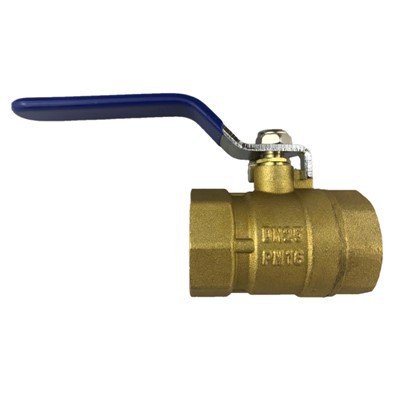
In addition to our globe valves, we also supply other related products such as Brass Y Strainer and Brass Ball Valve. These products can be used in conjunction with our globe valves to create a complete fluid control system.
Conclusion
In conclusion, the main differences between soft - seated and hard - seated stainless steel globe valves lie in their structure, sealing performance, durability, application scenarios, and cost. When choosing a valve, it is essential to consider the specific requirements of your application, such as the pressure, temperature, fluid characteristics, and budget.
If you are interested in our products or have any questions about valve selection, please feel free to contact us. We are committed to providing high - quality products and professional services to meet your needs.
References
- Valve Handbook, 4th Edition, by Robert W. McKetta
- Industrial Valves: Selection, Installation, and Maintenance, by John P. Blair