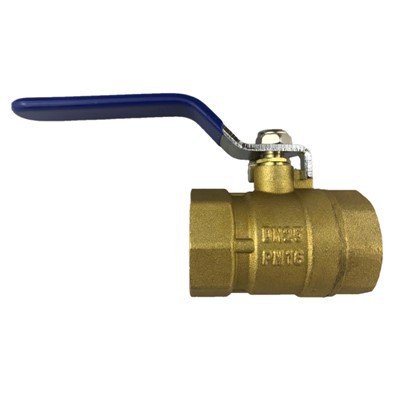
When it comes to industrial and plumbing systems, the brass Y strainer is a crucial component. As a trusted supplier of Brass Y Strainer, I often receive inquiries about the weight of a typical brass Y strainer. Understanding the weight of these strainers is essential for various reasons, including installation, transportation, and overall system design.
Factors Affecting the Weight of Brass Y Strainers
The weight of a brass Y strainer is influenced by several factors. One of the primary factors is the size of the strainer. Larger strainers generally weigh more than smaller ones due to the increased amount of material used in their construction. For example, a 1-inch brass Y strainer will typically weigh less than a 2-inch or 3-inch strainer.
The wall thickness of the strainer also plays a significant role in determining its weight. Thicker walls provide greater strength and durability but also add to the overall weight. Strainers with thicker walls are often used in high-pressure applications where extra strength is required.
Another factor that affects the weight is the design and construction of the strainer. Some strainers may have additional features such as flanges, unions, or threaded connections, which can add to the weight. The type of brass used in the manufacturing process can also impact the weight, as different brass alloys have different densities.
Typical Weight Ranges
To give you a better idea of the weight of a typical brass Y strainer, here are some general weight ranges based on common sizes:
- 1/2-inch Brass Y Strainer: These small strainers typically weigh between 0.5 and 1 pound. They are commonly used in residential plumbing systems and small-scale industrial applications.
- 3/4-inch Brass Y Strainer: The weight of a 3/4-inch strainer usually ranges from 1 to 2 pounds. This size is often used in medium-sized plumbing systems and light industrial applications.
- 1-inch Brass Y Strainer: A 1-inch brass Y strainer can weigh anywhere from 2 to 3 pounds. It is suitable for larger plumbing systems and some industrial applications.
- 1 1/2-inch Brass Y Strainer: These strainers typically weigh between 3 and 5 pounds. They are commonly used in commercial and industrial plumbing systems.
- 2-inch Brass Y Strainer: A 2-inch brass Y strainer can weigh between 5 and 8 pounds. This size is often used in large-scale industrial applications and high-flow systems.
It's important to note that these weight ranges are approximate and can vary depending on the specific design, wall thickness, and brass alloy used.
Importance of Knowing the Weight
Knowing the weight of a brass Y strainer is crucial for several reasons. Firstly, it helps in determining the appropriate support and mounting requirements during installation. A heavier strainer may require more robust support structures to ensure its stability and prevent any potential damage.
Secondly, the weight of the strainer affects its transportation and handling. If you need to move or install a large or heavy strainer, you need to ensure that you have the necessary equipment and manpower to do so safely.
Finally, understanding the weight is essential for overall system design. The weight of the strainer can impact the balance and stability of the entire plumbing or industrial system. It's important to consider the weight distribution and ensure that the system can handle the additional load.
Comparison with Other Valves
In addition to brass Y strainers, there are other types of valves commonly used in plumbing and industrial systems. Let's compare the weight of a brass Y strainer with two other popular valves: the Stainless Steel Globe Valve and the Brass Gate Valve.
- Stainless Steel Globe Valve: Stainless steel globe valves are known for their durability and corrosion resistance. They are typically heavier than brass Y strainers due to the density of stainless steel. A 1-inch stainless steel globe valve can weigh around 3 to 5 pounds, depending on the specific design and construction.
- Brass Gate Valve: Brass gate valves are commonly used for on/off control in plumbing systems. They are generally lighter than stainless steel globe valves but may be heavier than brass Y strainers of the same size. A 1-inch brass gate valve can weigh between 2 and 4 pounds.
Conclusion
In conclusion, the weight of a typical brass Y strainer depends on several factors, including size, wall thickness, design, and brass alloy. Understanding the weight of these strainers is important for installation, transportation, and overall system design. By knowing the weight, you can ensure that you have the appropriate support and equipment to handle the strainer safely.
If you are in the market for a brass Y strainer or any other valves, we are here to help. Our company offers a wide range of high-quality brass Y strainers, Stainless Steel Globe Valves, and Brass Gate Valves to meet your specific needs. Contact us today to discuss your requirements and explore our product offerings.


References
- "Valve Handbook" by Valve Manufacturers Association
- "Plumbing Engineering Design Handbook" by American Society of Plumbing Engineers