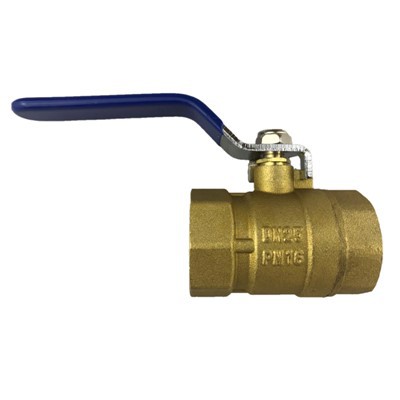
Water hammer is a common and potentially damaging phenomenon in fluid systems, especially when it comes to metal seated gate valves. As a leading supplier of metal seated gate valves, we understand the challenges and risks associated with water hammer and are committed to providing solutions to protect these vital components. In this blog post, we will explore what water hammer is, its effects on metal seated gate valves, and most importantly, how to protect these valves from its damaging effects.
Understanding Water Hammer
Water hammer, also known as hydraulic shock, occurs when there is a sudden change in the flow velocity of a fluid in a pipeline. This can happen when a valve is closed rapidly, a pump is suddenly stopped, or there is a change in the direction of flow. The sudden change in velocity creates a pressure wave that travels through the pipeline, causing a series of high - pressure spikes. These pressure spikes can be several times higher than the normal operating pressure of the system.
The effects of water hammer on metal seated gate valves can be severe. The high - pressure spikes can cause the valve disc to slam shut, leading to excessive wear and tear on the valve components. This can result in leakage, reduced valve lifespan, and even complete valve failure. In addition, the pressure waves can cause vibrations in the pipeline, which can damage the valve body and other connected equipment.
Types of Metal Seated Gate Valves
Before we discuss how to protect metal seated gate valves from water hammer, let's briefly introduce some common types of metal seated gate valves that we supply.
- Grooved Rising Stem Gate Valve: This type of valve features a rising stem design, which means that the stem rises as the valve is opened. The grooved connection allows for easy installation and maintenance. You can learn more about our Grooved Rising Stem Gate Valve.
- Non Rising Stem Gate Valve: In a non - rising stem gate valve, the stem does not rise when the valve is opened. Instead, the gate moves up and down within the valve body. This design is suitable for applications where space is limited. Check out our Non Rising Stem Gate Valve.
- Rising Stem Flanged Gate Valve: The rising stem flanged gate valve has a flanged connection, which provides a secure and leak - proof seal. The rising stem design allows for easy visual indication of the valve position. For more details, visit our Rising Stem Flanged Gate Valve.
Strategies to Protect Metal Seated Gate Valves from Water Hammer
1. Slow Closing Valves
One of the most effective ways to prevent water hammer is to use slow - closing valves. By closing the valve gradually, the change in flow velocity is minimized, reducing the intensity of the pressure wave. We offer metal seated gate valves with slow - closing mechanisms, which can be adjusted to control the closing time according to the specific requirements of the system.
2. Surge Arrestors
Surge arrestors, also known as pressure relief valves, are devices that are installed in the pipeline to absorb the excess pressure caused by water hammer. These devices work by opening when the pressure exceeds a certain threshold, allowing the fluid to bypass the valve and relieve the pressure. Installing surge arrestors near the metal seated gate valve can significantly reduce the impact of water hammer on the valve.
3. Air Chambers
Air chambers are another effective solution for protecting metal seated gate valves from water hammer. An air chamber is a vertical pipe filled with air that is connected to the pipeline. When a pressure wave travels through the pipeline, the air in the chamber compresses, absorbing the energy of the pressure wave and reducing its intensity. By installing air chambers at strategic locations in the pipeline, the effects of water hammer can be minimized.
4. Proper System Design
Proper system design is crucial for preventing water hammer. This includes ensuring that the pipeline is properly sized, the flow rate is within the design limits, and there are no sharp bends or restrictions in the pipeline. In addition, the location of the valve in the pipeline should be carefully considered. Valves should be installed in areas where the flow is relatively stable and there is minimal risk of sudden changes in flow velocity.
5. Regular Maintenance
Regular maintenance of metal seated gate valves is essential for ensuring their proper functioning and preventing water hammer. This includes inspecting the valve for signs of wear and tear, lubricating the moving parts, and checking the valve seals for leaks. By performing regular maintenance, any potential issues can be identified and addressed before they cause serious damage to the valve.
Case Studies
Let's take a look at some real - world examples of how these strategies have been used to protect metal seated gate valves from water hammer.
In a large industrial water supply system, a metal seated gate valve was experiencing frequent water hammer events, which were causing significant damage to the valve. The system engineers decided to install a slow - closing valve and a surge arrestor near the gate valve. After the installation, the frequency and intensity of the water hammer events were significantly reduced, and the valve's lifespan was extended.
In another case, a municipal water treatment plant was facing problems with water hammer in its pipeline. The plant operators installed air chambers at strategic locations in the pipeline and performed regular maintenance on the metal seated gate valves. As a result, the water hammer issues were resolved, and the overall efficiency of the system was improved.


Conclusion
Water hammer is a serious problem that can cause significant damage to metal seated gate valves. However, by implementing the strategies discussed in this blog post, such as using slow - closing valves, installing surge arrestors and air chambers, proper system design, and regular maintenance, the effects of water hammer can be minimized.
As a trusted supplier of metal seated gate valves, we are dedicated to providing high - quality products and solutions to our customers. If you are facing water hammer issues in your system or are looking for reliable metal seated gate valves, we invite you to contact us for a consultation. Our team of experts will work with you to understand your specific needs and provide the best solutions for your application.
References
- "Fluid Mechanics and Hydraulic Machines" by R. K. Bansal
- "Valve Handbook" by William A. Nash
- "Pipeline Hydraulics" by Robert L. Daugherty and Joseph B. Franzini