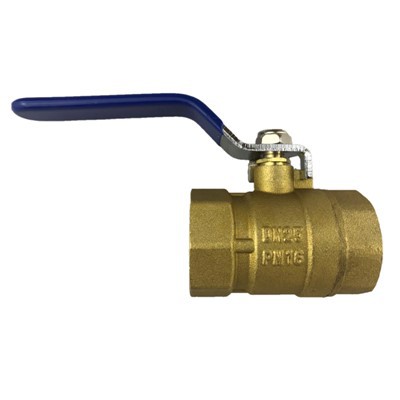
When it comes to the world of industrial valves, stainless steel ball valves stand out for their durability, reliability, and versatility. As a dedicated supplier of stainless steel ball valves, I often encounter questions from clients about various technical aspects of these valves. One such frequently asked question is: What is the thermal expansion coefficient of a stainless steel ball valve? In this blog, I'll delve into this topic, providing a comprehensive understanding of the thermal expansion coefficient and its implications for stainless steel ball valves.
Understanding Thermal Expansion
Thermal expansion is a fundamental physical phenomenon that occurs when a material changes in size or volume as a result of a change in temperature. When a material is heated, its atoms vibrate more vigorously, causing the material to expand. Conversely, when the material is cooled, the atoms slow down, and the material contracts. The thermal expansion coefficient (CTE) is a measure of how much a material expands or contracts per unit length or volume for a given change in temperature. It is typically expressed in units of length per unit length per degree Celsius (or Fahrenheit), such as in/in/°C or mm/mm/°C.
Thermal Expansion Coefficient of Stainless Steel
Stainless steel is an alloy primarily composed of iron, chromium, and nickel, with small amounts of other elements. The thermal expansion coefficient of stainless steel can vary depending on its specific composition and the presence of other alloying elements. Generally, the thermal expansion coefficient of stainless steel ranges from approximately 10 to 17 x 10^-6 /°C. For example, a common type of stainless steel, 304 stainless steel, has a thermal expansion coefficient of about 17.3 x 10^-6 /°C at room temperature.
Importance of Thermal Expansion in Stainless Steel Ball Valves
The thermal expansion coefficient of stainless steel is an important consideration in the design and operation of stainless steel ball valves. When a ball valve is exposed to temperature changes, the valve components, including the ball, stem, and body, will expand or contract according to their respective thermal expansion coefficients. If the expansion or contraction is not properly accounted for, it can lead to several issues, such as:
- Leakage: Excessive expansion or contraction can cause the valve seats to become misaligned, leading to leakage. This can compromise the performance of the valve and potentially result in safety hazards or environmental issues.
- Stress and deformation: Uneven thermal expansion can create stress within the valve components, leading to deformation or even failure. This can reduce the lifespan of the valve and increase maintenance costs.
- Operational difficulties: Thermal expansion can also affect the operation of the valve, making it more difficult to open or close. This can lead to increased wear and tear on the valve components and reduce the overall efficiency of the system.
Mitigating the Effects of Thermal Expansion
To mitigate the effects of thermal expansion in stainless steel ball valves, several design and installation considerations can be taken:
- Material selection: Choosing the right type of stainless steel with an appropriate thermal expansion coefficient is crucial. Different grades of stainless steel have different thermal expansion characteristics, so it's important to select a grade that is suitable for the specific application and temperature range.
- Expansion joints: Installing expansion joints in the pipeline can help absorb the thermal expansion and contraction of the valve and the pipeline. This can reduce the stress on the valve components and prevent leakage.
- Proper installation: Ensuring proper installation of the valve, including correct alignment and torque, can help minimize the effects of thermal expansion. It's also important to allow for sufficient clearance around the valve to accommodate expansion and contraction.
- Temperature monitoring: Monitoring the temperature of the valve and the pipeline can help detect any abnormal temperature changes that could indicate a problem. This can allow for timely maintenance and prevent potential issues.
Other Related Valve Products
In addition to stainless steel ball valves, we also offer a range of other valve products, including Brass Air Release Valve, Brass Gate Valve, and Brass Y Strainer. These products are designed to meet the diverse needs of our customers and provide reliable performance in various applications.
Conclusion
The thermal expansion coefficient of a stainless steel ball valve is an important factor to consider in its design, installation, and operation. By understanding the thermal expansion characteristics of stainless steel and taking appropriate measures to mitigate its effects, we can ensure the reliable performance and longevity of our valves. If you have any questions or need further information about our stainless steel ball valves or other valve products, please don't hesitate to contact us. We look forward to working with you to meet your valve needs.


References
- ASM Handbook, Volume 2: Properties and Selection: Nonferrous Alloys and Special-Purpose Materials. ASM International, 1990.
- Perry's Chemical Engineers' Handbook, 8th Edition. McGraw-Hill, 2008.
- Valve Handbook, 4th Edition. Butterworth-Heinemann, 2009.