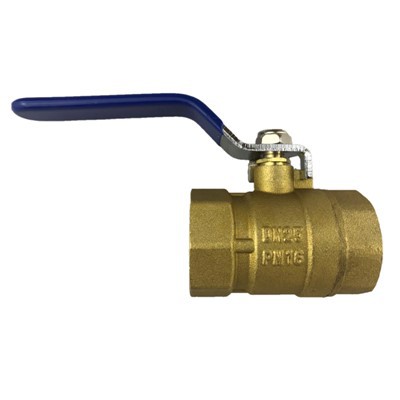
Selecting the right stainless steel ball valve for low - temperature applications can be a tricky task. As a stainless steel ball valve supplier, I've seen firsthand the challenges that customers face when making this important decision. In this blog post, I'll share some tips and insights on how to choose the perfect valve for your low - temperature needs.
Understanding Low - Temperature Requirements
First things first, it's crucial to understand the specific low - temperature conditions your valve will be exposed to. Low - temperature applications can vary widely, from mildly cold environments to extremely frigid conditions. For instance, some industrial processes might operate at temperatures around - 20°C, while cryogenic applications can go as low as - 200°C or even lower.
The lower the temperature, the more demanding the requirements for the valve. At extremely low temperatures, materials can become brittle, and seals may lose their flexibility. So, you need to make sure the valve you choose can withstand these harsh conditions without failing.
Material Selection
When it comes to low - temperature applications, the material of the valve is of utmost importance. Stainless steel is a popular choice due to its corrosion resistance and strength. However, not all stainless steels are created equal.
For low - temperature use, austenitic stainless steels like 304 and 316 are commonly used. These steels have good ductility and toughness at low temperatures, which helps prevent cracking and failure. They also offer excellent corrosion resistance, which is essential in many industrial settings.
Another option is duplex stainless steel. Duplex steels combine the best of both austenitic and ferritic steels, offering high strength and good corrosion resistance. They can be a great choice for applications where both low - temperature performance and durability are required.
Valve Design and Construction
The design and construction of the valve also play a significant role in its performance at low temperatures. A well - designed valve should have a tight seal to prevent leakage, even in cold conditions. The ball and seat of the valve should be made of materials that can maintain their integrity at low temperatures.
For example, some valves use PTFE (polytetrafluoroethylene) seats, which have good low - temperature performance. PTFE remains flexible at low temperatures, ensuring a tight seal. However, it's important to note that PTFE has its limitations, and in some cases, other materials might be more suitable.
The valve body should also be designed to handle the thermal stresses that occur during temperature changes. A well - engineered valve will have features that allow it to expand and contract without causing damage.
Pressure Rating
Don't forget about the pressure rating of the valve. In low - temperature applications, the pressure inside the system can change due to thermal expansion and contraction. You need to choose a valve with a pressure rating that can handle the maximum pressure your system will experience.
It's also important to consider the pressure drop across the valve. A high - pressure drop can lead to inefficiencies in your system, so look for a valve with a low pressure drop.
Size and Flow Capacity
The size of the valve is another critical factor. You need to choose a valve that is the right size for your application. If the valve is too small, it can restrict the flow of fluid, leading to increased pressure and reduced efficiency. On the other hand, if the valve is too large, it can be more expensive and may not operate as effectively.
To determine the right size, you need to consider the flow rate of the fluid in your system. You can use flow rate calculations and valve sizing charts to make an informed decision.
Certification and Standards
When selecting a stainless steel ball valve for low - temperature applications, it's important to ensure that the valve meets relevant industry standards and certifications. For example, valves used in cryogenic applications may need to meet standards such as ASME B31.3 for process piping or API 6D for pipeline valves.


Certifications can give you confidence that the valve has been tested and meets the necessary quality and safety requirements. Look for valves that are certified by recognized organizations.
Cost - Benefit Analysis
Finally, you need to consider the cost - benefit of the valve. While it's important to choose a high - quality valve that can perform well at low temperatures, you also need to keep your budget in mind.
Compare different valves from different suppliers to find the best balance between cost and performance. Sometimes, a slightly more expensive valve may offer better long - term reliability and performance, which can save you money in the long run.
Related Products
If you're also looking for other types of valves or related products, we offer a range of options. You can check out our Stainless Steel Gate Valve for applications where a gate valve might be more suitable. We also have Stainless Steel Y Strainer which can be used to filter out debris in your system. And of course, our Stainless Steel Ball Valve is designed to meet the needs of various low - temperature applications.
Contact for Purchase
If you're interested in purchasing a stainless steel ball valve for your low - temperature application, don't hesitate to reach out. We're here to help you select the right valve and provide you with all the information you need. Whether you have questions about the product, need a quote, or want to discuss your specific requirements, we're just a message away.
References
- ASME B31.3 Process Piping Code
- API 6D Specification for Pipeline Valves
- Technical literature on stainless steel materials and their properties at low temperatures