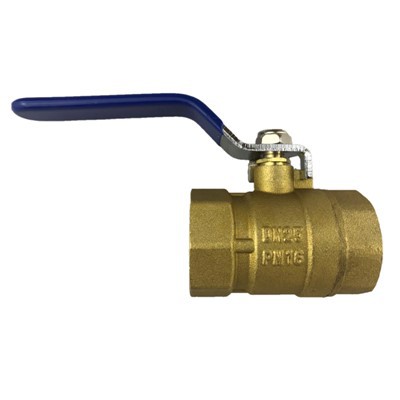
Hey there! As a supplier of Dynamic Balance Valves, I get asked a lot about how these valves perform in a corrosive environment. It's a crucial question, especially for industries where corrosion is a constant threat. So, let's dive right in and explore this topic.
Understanding Dynamic Balance Valves
First off, let's quickly go over what a Dynamic Balance Valve is. These valves are designed to automatically maintain a constant flow rate in a piping system, regardless of changes in pressure. They're super handy in HVAC systems, industrial processes, and even in some water distribution networks. By ensuring a stable flow, they help optimize the performance of the overall system and save energy.
The Challenge of Corrosive Environments
Corrosion is a big deal in many industries. It can eat away at pipes, valves, and other equipment, leading to leaks, reduced efficiency, and even system failures. In a corrosive environment, the materials used in a valve can be attacked by various chemicals, such as acids, alkalis, and salts. This can cause pitting, cracking, and general degradation of the valve's components.
How Dynamic Balance Valves Hold Up
Now, let's talk about how our Dynamic Balance Valves perform in these tough conditions. We use high - quality materials in our valves to resist corrosion. For example, many of our valves are made with stainless steel, which is known for its excellent corrosion resistance. Stainless steel contains chromium, which forms a thin, protective oxide layer on the surface of the metal. This layer acts as a barrier, preventing further corrosion.


In addition to stainless steel, we also use other corrosion - resistant materials in critical parts of the valve. For instance, the seals are made from special polymers that can withstand exposure to chemicals. These polymers are designed to be flexible and durable, ensuring a tight seal even in harsh environments.
Testing and Quality Assurance
We don't just rely on the materials alone. We put our Dynamic Balance Valves through rigorous testing to make sure they can handle corrosive environments. We simulate different corrosive conditions in our labs, exposing the valves to various chemicals and temperature ranges. This allows us to identify any potential weaknesses and make improvements.
Our quality control team also inspects each valve before it leaves the factory. They check for any signs of damage or corrosion and ensure that the valve meets our high standards. This way, we can guarantee that our customers are getting a reliable product that will perform well in a corrosive environment.
Comparing with Other Valves
It's also worth comparing our Dynamic Balance Valves with other types of valves in a corrosive environment. Take the Silent Check Valve for example. While silent check valves are great for preventing backflow, they may not be as well - suited for highly corrosive environments as our Dynamic Balance Valves. The design and materials of our Dynamic Balance Valves give them an edge when it comes to corrosion resistance.
Electric Modulated Dynamic Balance Valves
We also offer Electric Modulated Dynamic Balance Valves. These valves offer even more control and flexibility in a system. They can be adjusted remotely, allowing for precise flow control. In a corrosive environment, the same high - quality materials and corrosion - resistant design principles apply. The electric components are also protected to ensure they function properly over time.
Real - World Applications
Let's look at some real - world applications where our Dynamic Balance Valves have proven their worth in corrosive environments. In chemical processing plants, where there are often high concentrations of acids and other corrosive substances, our valves have been able to maintain their performance. They've helped keep the flow rates stable, preventing any disruptions in the production process.
In water treatment facilities, where the water may contain various chemicals and minerals, our valves have also been reliable. They've withstood the corrosive effects of the water and have continued to operate efficiently.
Maintenance and Longevity
Proper maintenance is key to ensuring the longevity of our Dynamic Balance Valves in a corrosive environment. We recommend regular inspections to check for any signs of corrosion or wear. If any issues are detected, we can provide replacement parts or offer repair services.
With proper maintenance, our valves can last for many years, even in the most challenging corrosive environments. This not only saves our customers money in the long run but also reduces the risk of system failures.
Why Choose Our Dynamic Balance Valves
So, why should you choose our Dynamic Balance Valves for your corrosive environment applications? Well, our commitment to quality and corrosion resistance is second to none. We use the best materials, conduct thorough testing, and offer excellent customer support.
Our valves are designed to be reliable and efficient, which can lead to cost savings in the long term. Whether you're in the HVAC industry, chemical processing, or water treatment, our Dynamic Balance Valves can meet your needs.
Contact Us for Purchase
If you're interested in learning more about our Dynamic Balance Valves or are looking to make a purchase, we'd love to hear from you. We can provide you with detailed product information, pricing, and answer any questions you may have. Don't hesitate to reach out to us to start a discussion about how our valves can benefit your system.
References
- Smith, J. (2020). Corrosion Resistance in Industrial Valves. Journal of Industrial Engineering.
- Johnson, R. (2019). Materials for Valve Manufacturing in Harsh Environments. Materials Science Review.