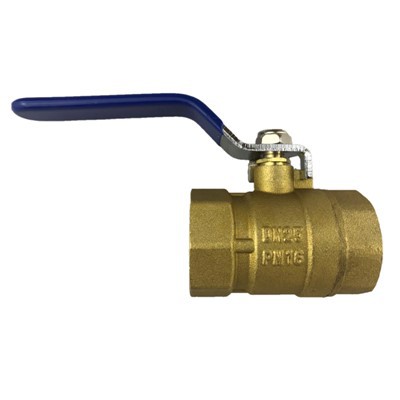
The size of a worm gear butterfly valve plays a crucial role in determining its performance across various applications. As a trusted supplier of Worm Gear Butterfly Valve, I've witnessed firsthand how different sizes can significantly impact the valve's functionality, efficiency, and overall suitability for specific tasks. In this blog, we'll delve into the intricate relationship between the size of a worm gear butterfly valve and its performance, exploring the key factors that are affected by size variations.
Flow Capacity
One of the most significant ways in which the size of a worm gear butterfly valve affects its performance is through its flow capacity. The flow capacity of a valve refers to the volume of fluid that can pass through it within a given time frame. Larger valves generally have a higher flow capacity because they offer a larger cross - sectional area for the fluid to flow through.
For instance, in industrial applications where large volumes of water, gas, or other fluids need to be transported, a larger worm gear butterfly valve is often preferred. A 24 - inch valve can handle a much greater flow rate compared to a 6 - inch valve. This is particularly important in applications such as water treatment plants, where large amounts of water need to be regulated and distributed efficiently.
However, it's important to note that simply choosing the largest valve available isn't always the best solution. If a valve is too large for the application, it can lead to problems such as poor flow control. When the flow rate is relatively low, a large valve may not close tightly enough, resulting in leakage and inefficient operation.
Pressure Drop
Another critical performance factor influenced by the size of the worm gear butterfly valve is the pressure drop. Pressure drop is the difference in pressure between the inlet and the outlet of the valve. A smaller valve typically causes a higher pressure drop because the fluid has to pass through a more restricted opening.
In systems where maintaining a consistent pressure is crucial, such as in some chemical processing plants, a larger valve may be necessary to minimize the pressure drop. A larger valve allows the fluid to flow more freely, reducing the resistance and thus the pressure drop. On the other hand, in applications where pressure drop is less of a concern, a smaller valve may be sufficient and more cost - effective.
Torque Requirements
The size of the worm gear butterfly valve also has a direct impact on the torque requirements for operation. Torque is the force required to turn the valve to open or close it. Larger valves generally require more torque to operate because they have a larger disc and a greater surface area in contact with the fluid.
The worm gear mechanism in the valve is designed to provide the necessary mechanical advantage to overcome the torque required for operation. However, as the valve size increases, the worm gear system may need to be more robust to handle the higher torque. If the torque requirements are not properly accounted for, it can lead to issues such as difficulty in operating the valve, premature wear of the gear mechanism, or even valve failure.
Installation and Space Constraints
The physical size of the worm gear butterfly valve can also affect its installation and the overall space requirements of the system. Larger valves obviously take up more space, which can be a limiting factor in applications where space is at a premium.
For example, in a compact industrial control panel or a marine vessel with limited space, a smaller valve may be the only viable option. Additionally, the weight of the valve increases with its size, which can also pose challenges during installation and may require additional support structures.
Cost Considerations
Cost is another important aspect related to the size of the worm gear butterfly valve. Larger valves are generally more expensive than smaller ones. This is due to several factors, including the increased amount of materials required for manufacturing, the more complex manufacturing processes, and the potentially more robust gear mechanisms needed for larger valves.
However, when evaluating the cost, it's important to consider the long - term performance and efficiency of the valve. A larger valve may have a higher upfront cost but can result in lower operating costs over time due to its better flow capacity and lower pressure drop.
Sealing Performance
The size of the valve can also impact its sealing performance. In a smaller valve, the sealing surfaces are closer together, which can sometimes result in a better seal. However, this also means that any small amount of debris or wear can have a more significant impact on the sealing ability.
Larger valves may face challenges in achieving a perfect seal due to their larger surface area. Ensuring proper alignment and a tight seal across the entire disc can be more difficult. Advanced sealing technologies and materials are often required for larger valves to maintain reliable sealing performance.
Control Accuracy
Control accuracy is an important performance metric, especially in applications where precise flow regulation is required. Smaller valves can generally provide more accurate control because they can be more easily adjusted to fine - tune the flow rate.
In applications such as laboratory equipment or small - scale industrial processes where precise control is essential, a smaller Worm Gear Butterfly Valve may be the preferred choice. In contrast, larger valves are better suited for applications where broad flow regulation is needed, such as in large - scale water distribution systems.
Compatibility with Other Components
The size of the worm gear butterfly valve also needs to be compatible with other components in the system. For example, the valve needs to be properly sized to fit with the pipes, flanges, and other equipment in the system.
If the valve is not compatible with the existing components, it can lead to installation difficulties, leakage, and reduced overall system performance. It's essential to carefully consider the size requirements in the context of the entire system to ensure seamless integration.
Conclusion
In conclusion, the size of the worm gear butterfly valve has a profound impact on its performance in various aspects, including flow capacity, pressure drop, torque requirements, installation, cost, sealing performance, control accuracy, and compatibility with other components. As a supplier of Worm Gear Butterfly Valve, we understand the importance of choosing the right size valve for each specific application.
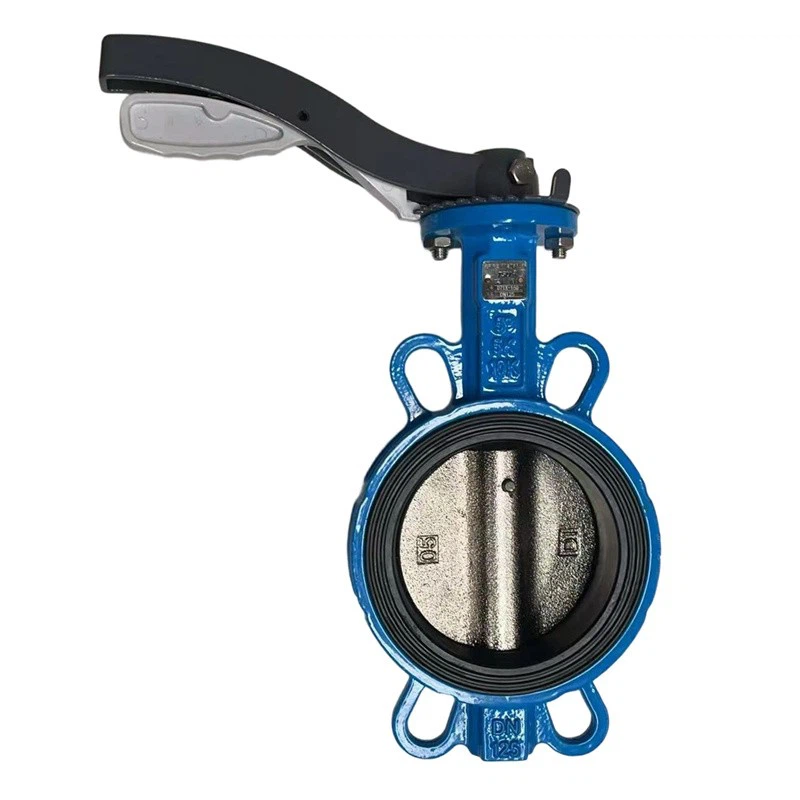
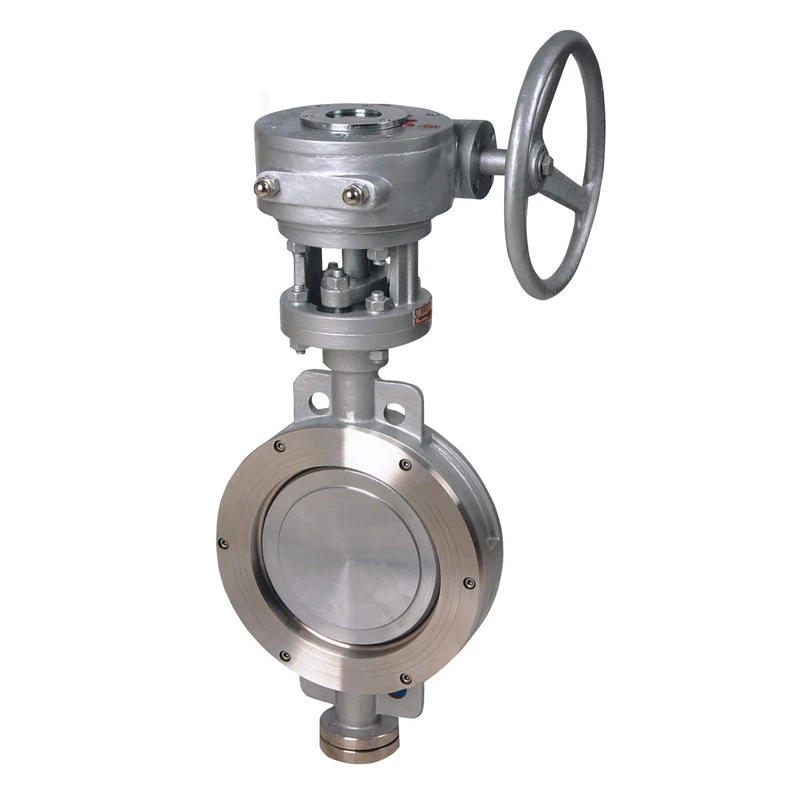
If you're in the market for a worm gear butterfly valve, whether it's a Gear Operated Butterfly Valve or a Lever Operated Butterfly Valve, we're here to help you make the right choice. Our team of experts can provide you with detailed information and guidance based on your specific requirements. Contact us to start a discussion about your valve needs and explore the best solutions for your application.
References
- "Valve Handbook: Principles and Applications" by J. A. Zielinski
- "Fluid Mechanics and Hydraulics" by Robert L. Mott
- Industry standards and guidelines related to valve sizing and performance