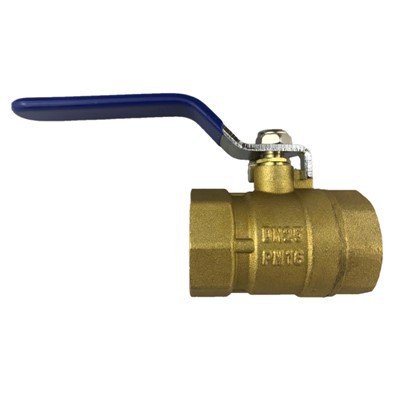
Brass gate valves are widely used in various industries due to their durability, reliability, and excellent corrosion resistance. However, like any metal component, brass gate valves are still susceptible to corrosion under certain conditions. As a leading supplier of brass gate valves, we understand the importance of preventing corrosion to ensure the long - term performance and reliability of our products. In this blog, we will discuss some effective strategies to prevent corrosion in brass gate valves.
Understanding the Causes of Corrosion in Brass Gate Valves
Before we delve into prevention methods, it's crucial to understand the factors that contribute to corrosion in brass gate valves. Brass is an alloy composed mainly of copper and zinc. The most common types of corrosion that brass gate valves may encounter include:


- Galvanic Corrosion: This occurs when two different metals are in contact in the presence of an electrolyte, such as water. The more active metal (anode) corrodes while the less active metal (cathode) is protected. For example, if a brass gate valve is connected to a steel pipe, galvanic corrosion may occur, with the brass valve potentially acting as the anode and corroding over time.
- Pitting Corrosion: Pitting corrosion is a localized form of corrosion that creates small pits or holes on the surface of the brass. It is often caused by the presence of chloride ions in the environment, which can break down the protective oxide layer on the brass surface.
- Stress Corrosion Cracking (SCC): SCC is a type of corrosion that occurs when a metal is under stress in the presence of a corrosive environment. In brass gate valves, stress can be induced during manufacturing, installation, or operation, and certain chemicals or environmental conditions can trigger SCC.
Preventive Measures for Corrosion in Brass Gate Valves
1. Material Selection
- High - Quality Brass Alloys: Choose brass alloys with high corrosion resistance. For example, some brass alloys contain elements such as tin or aluminum, which can enhance the corrosion resistance of the material. Our company carefully selects the brass alloys for our gate valves to ensure they have excellent corrosion - resistant properties.
- Avoiding Incompatible Metals: When installing brass gate valves, avoid direct contact with metals that are more likely to cause galvanic corrosion. If necessary, use insulating materials such as rubber gaskets or plastic sleeves to separate the brass valve from other metals.
2. Surface Treatment
- Coating: Applying a protective coating to the surface of the brass gate valve can significantly reduce the risk of corrosion. Common coatings include epoxy, polyurethane, and zinc plating. These coatings act as a barrier between the brass and the corrosive environment, preventing direct contact and slowing down the corrosion process.
- Passivation: Passivation is a chemical process that forms a thin, protective oxide layer on the surface of the brass. This layer helps to prevent corrosion by inhibiting the reaction between the brass and the surrounding environment. Our brass gate valves undergo a passivation process during manufacturing to enhance their corrosion resistance.
3. Proper Installation and Maintenance
- Correct Installation: Ensure that the brass gate valve is installed correctly according to the manufacturer's instructions. Improper installation can cause stress on the valve, which may lead to stress corrosion cracking. Make sure the valve is properly aligned, and all connections are tight to prevent leaks.
- Regular Inspection: Regularly inspect the brass gate valve for signs of corrosion, such as discoloration, pitting, or leaks. Early detection of corrosion can allow for timely maintenance or replacement, preventing further damage to the valve.
- Cleaning: Keep the brass gate valve clean by removing dirt, debris, and other contaminants from its surface. Use a mild detergent and a soft cloth to clean the valve, and avoid using abrasive materials that may scratch the surface and damage the protective coating.
4. Environmental Control
- Controlling Temperature and Humidity: High temperatures and humidity can accelerate the corrosion process. If possible, install the brass gate valve in an environment with controlled temperature and humidity levels. For example, in industrial settings, use air - conditioning or dehumidification systems to maintain a stable environment.
- Reducing Exposure to Corrosive Substances: Minimize the exposure of the brass gate valve to corrosive substances such as acids, alkalis, and salts. If the valve is used in a corrosive environment, consider using additional protective measures such as enclosures or covers.
Related Products and Their Role in Corrosion Prevention
In addition to brass gate valves, we also offer a range of related products that can help prevent corrosion and ensure the smooth operation of your piping systems.
- Brass Ball Valve: Brass ball valves are known for their excellent corrosion resistance and reliable performance. They can be used in various applications to control the flow of fluids, and their design helps to prevent the accumulation of debris and corrosive substances.
- Stainless Steel Globe Valve: Stainless steel globe valves are highly resistant to corrosion and can be used in harsh environments. They are suitable for applications where precise flow control is required, and their stainless steel construction provides long - term durability.
- Brass Y Strainer: Brass Y strainers are used to remove solid particles and debris from the fluid flowing through the piping system. By preventing the accumulation of contaminants, they can help reduce the risk of corrosion in the brass gate valve and other components.
Conclusion
Preventing corrosion in brass gate valves is essential for ensuring their long - term performance and reliability. By understanding the causes of corrosion and implementing effective preventive measures, such as proper material selection, surface treatment, installation, and maintenance, you can significantly extend the lifespan of your brass gate valves.
As a trusted supplier of brass gate valves and related products, we are committed to providing high - quality solutions to meet your needs. If you are interested in purchasing our products or have any questions about corrosion prevention in brass gate valves, please feel free to contact us for a detailed discussion. We look forward to working with you to ensure the success of your projects.
References
- Fontana, M. G., & Greene, N. D. (1967). Corrosion Engineering. McGraw - Hill.
- Uhlig, H. H., & Revie, R. W. (1985). Corrosion and Corrosion Control. Wiley.