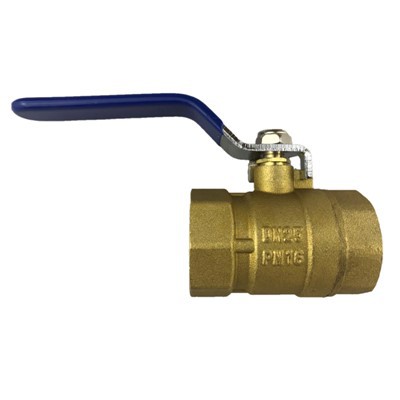
As a supplier of Stainless Steel Ball Valves, I've seen firsthand how crucial it is to ensure the tightness of these valves. A well - sealed ball valve not only prevents leaks but also guarantees the efficient operation of the entire system it's a part of. So, let's dive into how you can make sure your stainless steel ball valve stays tight.
Understanding the Basics
First off, let's understand what a stainless steel ball valve is. It's a type of valve that uses a hollow, perforated, and pivoting ball to control the flow of a liquid or gas. When the ball's hole is in line with the flow path, the valve is open. When the ball is rotated 90 degrees, the valve shuts off the flow.
The tightness of a stainless steel ball valve mainly depends on two key components: the ball and the seats. The ball should fit snugly against the seats to create a good seal. If there are any gaps or misalignments, leaks can occur.
Selecting the Right Valve
The first step in ensuring tightness is choosing the right stainless steel ball valve for your application. Consider factors like the pressure and temperature of the fluid or gas you're dealing with. High - pressure systems require valves with stronger materials and better sealing mechanisms. Also, think about the size of the valve. A valve that's too small or too large for the pipeline can lead to sealing problems.
You can check out our Stainless Steel Ball Valve options on our website. We offer a wide range of sizes and pressure ratings to meet your specific needs.
Proper Installation
Installation plays a huge role in the tightness of a ball valve. Here are some important installation tips:
1. Clean the Pipeline
Before installing the valve, make sure the pipeline is clean. Any dirt, debris, or rust in the pipeline can get trapped between the ball and the seats, preventing a proper seal. Use a brush or a compressed air cleaner to remove any contaminants.
2. Align the Valve Correctly
The valve must be installed in the correct orientation. The flow direction marked on the valve body should match the actual flow direction in the pipeline. Incorrect alignment can cause uneven pressure on the ball and seats, leading to leaks.
3. Tighten the Flanges or Threads Properly
If you're using flanged valves, make sure to tighten the bolts evenly. Use a torque wrench to ensure each bolt is tightened to the recommended torque value. For threaded valves, avoid over - tightening, as this can damage the threads and affect the seal.
Regular Maintenance
Maintaining your stainless steel ball valve is essential for long - term tightness. Here's what you can do:
1. Lubrication
Lubricating the valve helps reduce friction between the ball and the seats, ensuring a smooth operation. Use a lubricant that's compatible with the stainless steel and the fluid or gas in the system. Apply the lubricant at regular intervals according to the manufacturer's recommendations.
2. Inspection
Regularly inspect the valve for signs of wear or damage. Check the ball and seats for scratches, dents, or corrosion. If you notice any issues, replace the damaged parts immediately. You should also inspect the seals and gaskets. Over time, these can degrade, leading to leaks. Replace them if they show signs of wear.
3. Actuator Check
If your ball valve has an actuator (a device used to open and close the valve), make sure it's working properly. Check the electrical connections, if it's an electric actuator, or the air supply, if it's a pneumatic actuator. A malfunctioning actuator can prevent the valve from closing tightly.
Dealing with Common Issues
Sometimes, even with proper installation and maintenance, you might encounter tightness issues. Here are some common problems and how to solve them:
1. Leaks Around the Stem
Leaks around the stem are often caused by worn - out stem seals. To fix this, you'll need to replace the stem seals. First, shut off the flow and relieve the pressure in the system. Then, disassemble the valve and remove the old seals. Install the new seals and reassemble the valve.
2. Internal Leaks
Internal leaks occur when the ball doesn't seal properly against the seats. This can be due to dirt or debris on the ball or seats, or damage to these components. If it's just dirt, you can clean the ball and seats. If there's damage, you'll need to replace the ball or seats.
3. External Leaks
External leaks can happen at the flanges or threaded connections. Tighten the bolts or threads slightly to see if that stops the leak. If not, you might need to replace the gaskets or seals at these connections.
Other Valve Types and Their Importance
It's also worth mentioning that different types of valves can be used in combination to ensure a proper flow control system. For example, a Stainless Steel Globe Valve is great for throttling the flow, while a Stainless Steel Y Strainer can help remove any solid particles from the fluid before it reaches the ball valve, protecting it from damage. A Stainless Steel Gate Valve can be used for on - off control in larger pipelines. And if you're looking for a more cost - effective option for strainers, a Brass Y Strainer might be a good choice for less demanding applications.


Conclusion
Ensuring the tightness of a stainless steel ball valve is a multi - step process that involves proper selection, installation, maintenance, and dealing with common issues. By following these steps, you can ensure that your ball valve operates efficiently and safely for a long time.
If you're in the market for high - quality stainless steel ball valves or any other types of valves, don't hesitate to reach out. We're here to help you find the right solutions for your needs and ensure that your systems run smoothly. Start your procurement journey with us and experience the difference in quality and service.
References
- Valve Handbook, Various Industry Publications
- Manufacturer's Specifications for Stainless Steel Ball Valves