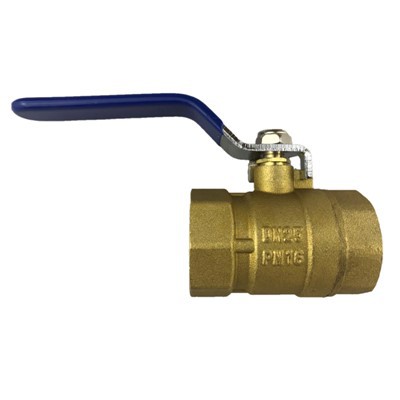
Hey there! As a supplier of Non Rising Stem Gate Valves, I've seen my fair share of valve leakage issues. It's a pain in the neck, no doubt. In this blog, I'll share some tips on how to prevent leakage in a Non Rising Stem Gate Valve.
Understanding the Non Rising Stem Gate Valve
First things first, let's quickly go over what a Non Rising Stem Gate Valve is. These valves are commonly used in situations where vertical space is limited since the stem doesn't rise when the valve is opened or closed. They work by raising and lowering a gate to control the flow of fluids. The gate slides in and out between two seats, and when it's fully closed, it should create a tight seal to stop the flow completely.
Common Causes of Leakage
Seat Damage
One of the main culprits of leakage in a non - rising stem gate valve is seat damage. The seats are the areas where the gate makes contact to form a seal. Over time, due to the flow of abrasive fluids, hydraulic shock, or improper installation, the seats can get scratched, pitted, or worn out. When this happens, there's a gap between the gate and the seats, allowing fluid to leak through.


Stem Packing Issues
The stem packing is what prevents fluid from leaking out along the stem. If the packing isn't installed correctly, is the wrong size, or has degraded over time, it can lead to leakage. Things like high - temperature fluids, chemical corrosion, or just plain old wear and tear can cause the packing to lose its effectiveness.
Gate Misalignment
Sometimes, the gate can get misaligned within the valve body. This might occur during installation if the valve isn't properly centered, or due to external forces like pipe movement or vibration. A misaligned gate won't fit snugly against the seats, and that's when leakage starts to happen.
Prevention Strategies
Regular Maintenance
You can't stress enough how important regular maintenance is. Schedule routine inspections to check for signs of wear on the seats, stems, and gates. Use a non - destructive testing method like ultrasonic testing to detect any hidden cracks or damage that might not be visible to the naked eye. Also, lubricate the stem and moving parts regularly. This not only reduces friction but also protects them from corrosion.
Proper Installation
The key is installing the valve correctly from the start. Make sure the valve is centered in the pipeline and that the flange connections are tightened evenly. If the bolts aren't tightened uniformly, it can cause the valve body to distort, leading to misalignment and leakage. Also, follow the manufacturer's instructions for installing the stem packing. Ensure it's the right type and size for the valve and is packed tightly.
Using High - Quality Materials
When it comes to valve components, don't skimp on quality. Opt for valves with high - quality seats made from materials like Metal Seated Gate Valve options. Metal seats are more durable and resistant to wear and corrosion compared to some other materials. Similarly, choose stem packing made from materials that can withstand the temperature, pressure, and chemical properties of the fluid being transported.
Monitoring System
Set up a monitoring system to keep an eye on the valve's performance. Use sensors to detect any changes in pressure, temperature, or flow rate. An unexpected drop in pressure or an abnormal increase in flow might indicate a leakage. By catching these issues early, you can take corrective action before the problem gets out of hand.
Different Types of Gate Valves and Their Considerations
Rising Stem Gate Valve
While we're on the topic of gate valves, it's worth mentioning the Rising Stem Gate Valve. Unlike non - rising stem gate valves, the stem of a rising stem gate valve rises when the valve is opened. These valves are great for applications where you need a visual indication of the valve's position. However, they do require more vertical space. When you're choosing between a non - rising and rising stem gate valve, consider the space constraints and the need for a visual position indicator.
Mechanical Locking Gate Valve
Another type is the Mechanical Locking Gate Valve. These valves come with a locking mechanism that keeps the valve in a specific position. It can be handy in situations where you need to prevent unauthorized operation or where the valve needs to stay in a particular position for a long time. But make sure the locking mechanism is properly maintained to avoid any issues with the valve's operation.
Stainless Steel Flanged Gate Valve
The Stainless Steel Flanged Gate Valve is known for its corrosion resistance. If you're dealing with corrosive fluids, a stainless - steel valve is a great choice. The flanged connections make it easy to install and remove the valve for maintenance. However, ensure that the flange gaskets are in good condition and are compatible with the fluid and operating conditions.
Conclusion
In conclusion, preventing leakage in a Non Rising Stem Gate Valve boils down to regular maintenance, proper installation, using high - quality materials, and having a good monitoring system in place. By following these steps, you can extend the life of your valves and avoid costly downtime due to leaks.
If you're in the market for high - quality Non Rising Stem Gate Valves or have any questions about valve leakage prevention, feel free to reach out to us. We're here to help you find the right solutions for your needs. Let's have a chat and see how we can work together to keep your systems running smoothly!
References
- "Valve Handbook: Principles and Applications"
- Industry - specific technical manuals on gate valve operation and maintenance