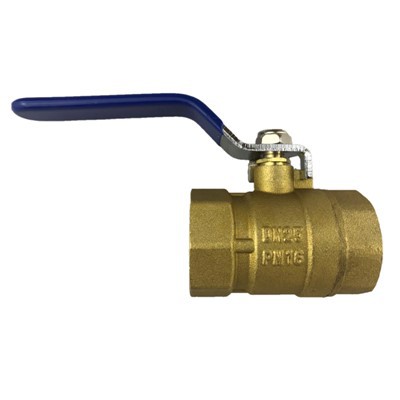
As a seasoned supplier of Rising Stem Gate Valves, I've witnessed the critical role these valves play in various industrial applications. Ensuring the quality of a Rising Stem Gate Valve is not just a matter of compliance; it's about providing reliability, safety, and efficiency to our customers. In this blog post, I'll share my insights on how to check the quality of a Rising Stem Gate Valve.
Visual Inspection
The first step in assessing the quality of a Rising Stem Gate Valve is a thorough visual inspection. This basic yet crucial examination can reveal many potential issues.
Exterior Surface
Check the valve's exterior surface for any signs of damage, such as cracks, dents, or corrosion. A high - quality valve should have a smooth and even finish. Cracks can weaken the structure of the valve and lead to leakage, while dents may affect the valve's operation. Corrosion, especially in areas prone to moisture exposure, can compromise the valve's integrity over time.
Inspect the paint or coating on the valve. A good - quality valve will have a uniform and durable coating that provides protection against the environment. Peeling or chipping paint can be an indication of poor surface preparation or low - quality paint.
Flanges and Connections
Examine the flanges and connections of the valve. The flanges should be flat and without any warping or deformation. The bolt holes should be properly aligned, and the thread should be clean and intact. Misaligned bolt holes or damaged threads can cause problems during installation and may lead to leaks.
Stem and Handwheel
The stem of the Rising Stem Gate Valve should be straight and free from any bending or scratches. A bent stem can cause the valve to operate unevenly or not close properly. The handwheel should be securely attached to the stem and should rotate smoothly. Any looseness or excessive play in the handwheel can indicate a problem with the valve's internal components.
Dimensional Checks
Accurate dimensions are essential for the proper functioning of a Rising Stem Gate Valve. It is necessary to verify the valve's key dimensions against the specified standards or the customer's requirements.
Overall Dimensions
Measure the overall length, height, and width of the valve. These dimensions should match the design specifications. Any significant deviation can cause problems during installation, especially in systems where space is limited.
Flange Dimensions
Check the flange dimensions, including the flange diameter, bolt circle diameter, and thickness. Incorrect flange dimensions can result in a poor connection between the valve and the pipeline, leading to leakage or reduced system performance.
Stem Diameter and Length
The stem diameter and length are also critical dimensions. A stem that is too thin may not be strong enough to withstand the pressure and force during operation, while a stem that is too long may cause interference with other components in the system.
Material Analysis
The quality of the materials used in a Rising Stem Gate Valve directly impacts its performance and durability.
Valve Body Material
The valve body is typically made of materials such as cast iron, carbon steel, or stainless steel. For applications where corrosion resistance is crucial, Stainless Steel Flanged Gate Valve are a popular choice. You can use various methods to analyze the material of the valve body, such as chemical analysis or hardness testing.
Chemical analysis can determine the exact composition of the material, ensuring that it meets the specified standards. Hardness testing can assess the material's strength and resistance to wear.
Seat and Disc Materials
The seat and disc of the valve are in direct contact with the fluid being controlled. They need to be made of materials that can withstand the pressure, temperature, and chemical properties of the fluid. For applications where a tight seal is required, Resilient Seat Gate Valve are often used. The seat and disc materials should be inspected for signs of wear, degradation, or improper bonding.
Pressure Testing
Pressure testing is one of the most important ways to evaluate the quality of a Rising Stem Gate Valve. It can simulate the actual operating conditions and ensure that the valve can withstand the specified pressure without leakage.


Hydrostatic Pressure Testing
Hydrostatic pressure testing involves filling the valve with a liquid (usually water) and applying a pressure higher than the normal operating pressure for a specified period. The valve should be inspected for any signs of leakage during the test. A well - made valve should be able to withstand the test pressure without any visible leaks.
Air Leak Testing
Air leak testing can be used to detect small leaks that may not be visible during hydrostatic testing. In this test, the valve is filled with air, and a pressure gauge is used to monitor the pressure drop. If the pressure drops below a certain level within a specified time, it indicates the presence of a leak.
Operation Testing
The operation of the Rising Stem Gate Valve should be smooth and reliable.
Opening and Closing Torque
Measure the opening and closing torque of the valve. The torque should be within the specified range. An excessively high torque may indicate problems such as friction in the stem or a misaligned disc, while an abnormally low torque may suggest a loose or damaged component.
Stem Movement
Check the movement of the stem during operation. The stem should rise and fall smoothly and should be able to reach the fully open and fully closed positions without any obstruction. Any jerks or stickiness in the stem movement can be a sign of internal damage or improper assembly.
Documentation and Certification
A high - quality Rising Stem Gate Valve should be accompanied by proper documentation and certification.
Manufacturer's Documentation
The manufacturer should provide detailed documentation, including the valve's specifications, operating instructions, and maintenance guidelines. This documentation can help the end - user understand the valve's performance and ensure its proper use.
Certification
Look for valves that have been certified by recognized standards organizations, such as ISO, API, or ASME. These certifications indicate that the valve has met the relevant quality and safety standards.
Conclusion
Checking the quality of a Rising Stem Gate Valve is a comprehensive process that involves visual inspection, dimensional checks, material analysis, pressure testing, operation testing, and review of documentation and certification. By following these steps, you can ensure that you are getting a high - quality valve that will provide reliable service in your industrial applications.
If you are in the market for high - quality Rising Stem Gate Valves or need further advice on valve selection and quality control, we are here to assist you. Whether you are interested in Grooved Rising Stem Gate Valve, Non Rising Stem Gate Valve, or Rising Stem Flanged Gate Valve, we can provide you with the products and expertise you need. Contact us for more information and to start a procurement discussion.
References
- ASME Standards for Valves
- API Standards for Valve Manufacturing
- ISO Quality Management Systems for Industrial Products