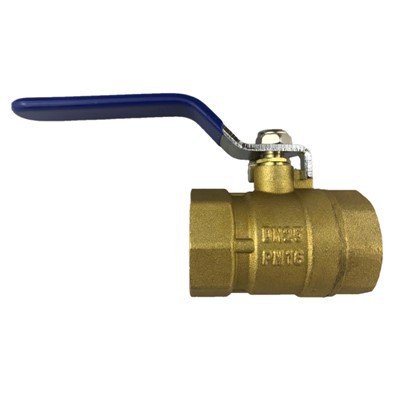
When it comes to selecting the right stainless steel gate valve for a specific pipeline, there are numerous factors to consider. As a trusted stainless steel gate valve supplier, I understand the importance of making the correct choice to ensure the efficient and safe operation of your pipeline system. In this blog, I will guide you through the key considerations and steps to help you choose the most suitable stainless steel gate valve for your needs.
Understanding the Basics of Stainless Steel Gate Valves
Stainless steel gate valves are widely used in various industries due to their durability, corrosion resistance, and reliable performance. They are designed to control the flow of fluids by using a gate that slides up and down to open or close the valve. The gate can be either wedge-shaped or parallel, depending on the application requirements.
One of the main advantages of stainless steel gate valves is their ability to provide a tight seal when fully closed, preventing leakage and ensuring the integrity of the pipeline. They are also suitable for both on/off and throttling applications, making them versatile for different types of fluid control.
Factors to Consider When Choosing a Stainless Steel Gate Valve
1. Pipeline Specifications
The first step in choosing the right stainless steel gate valve is to understand the specifications of your pipeline. This includes the pipe size, pressure rating, temperature range, and the type of fluid being transported. The valve size should match the pipe size to ensure proper flow and minimize pressure drop. The pressure rating of the valve should be higher than the maximum operating pressure of the pipeline to ensure safety.
For example, if your pipeline operates at a high pressure, you need to select a gate valve with a high-pressure rating. Similarly, if the fluid being transported is corrosive, you should choose a stainless steel gate valve with a high level of corrosion resistance.
2. Valve Design
There are different types of gate valve designs available, including rising stem and non-rising stem valves. Rising stem valves have a stem that moves up and down as the valve is opened or closed, providing a visual indication of the valve position. Non-rising stem valves, on the other hand, have a stem that rotates but does not move up and down, making them suitable for applications where space is limited.
The choice of valve design depends on the specific requirements of your application. For example, if you need to visually monitor the valve position, a rising stem valve may be more suitable. If space is a concern, a non-rising stem valve may be the better option.
3. End Connections
The end connections of the gate valve are also important to consider. Common end connections include flanged, threaded, and welded connections. Flanged connections are the most common and are suitable for high-pressure applications. Threaded connections are used for smaller pipe sizes and are easier to install. Welded connections provide a permanent and leak-proof seal, making them suitable for applications where a high level of integrity is required.
When choosing the end connections, you need to ensure that they are compatible with the pipeline system. For example, if your pipeline has flanged connections, you should choose a gate valve with flanged ends.
4. Material Selection
Stainless steel is a popular choice for gate valves due to its corrosion resistance and durability. However, there are different grades of stainless steel available, each with its own properties and applications. The most common grades of stainless steel used for gate valves are 304 and 316.
Grade 304 stainless steel is a general-purpose grade that offers good corrosion resistance and is suitable for most applications. Grade 316 stainless steel, on the other hand, contains molybdenum, which provides enhanced corrosion resistance, especially in chloride environments.
When selecting the material for your gate valve, you need to consider the type of fluid being transported and the operating conditions. For example, if the fluid contains chloride ions, you should choose a grade 316 stainless steel gate valve.
5. Operating Conditions
The operating conditions of the pipeline, such as temperature, pressure, and flow rate, also play a crucial role in choosing the right stainless steel gate valve. High temperatures can affect the performance of the valve, and the material of the valve should be able to withstand the temperature range. Similarly, high pressures can put stress on the valve, and the valve should be designed to handle the pressure.
The flow rate of the fluid also needs to be considered. If the flow rate is high, you may need to choose a larger valve size to ensure proper flow.
Additional Considerations
1. Maintenance and Serviceability
It is important to consider the maintenance and serviceability of the gate valve. A valve that is easy to maintain and service can save time and money in the long run. Look for valves that have accessible parts and can be easily disassembled for cleaning and repair.
2. Cost
Cost is always a factor when choosing a gate valve. However, it is important to balance the cost with the quality and performance of the valve. A cheaper valve may not provide the same level of reliability and durability as a more expensive one. Consider the long-term cost of ownership, including maintenance and replacement costs, when making your decision.
3. Compatibility with Other Components
The gate valve should be compatible with other components in the pipeline system, such as pumps, filters, and regulators. Ensure that the valve is designed to work with the other components to ensure the efficient and safe operation of the system.
Related Products
In addition to stainless steel gate valves, we also offer a range of other valves and strainers that can be used in conjunction with the gate valve. For example, you may consider using a Brass Y Strainer to remove debris and particles from the fluid before it enters the gate valve. This can help to protect the valve and ensure its proper operation.
We also offer Brass Globe Valve and Stainless Steel Y Strainer for different applications. These products are designed to provide reliable performance and are suitable for a variety of industries.
Conclusion
Choosing the right stainless steel gate valve for a specific pipeline is a critical decision that can affect the performance and safety of your pipeline system. By considering the factors discussed in this blog, you can make an informed decision and select the most suitable valve for your needs.


As a stainless steel gate valve supplier, we are committed to providing high-quality products and excellent customer service. If you have any questions or need assistance in choosing the right valve for your pipeline, please do not hesitate to contact us. We look forward to working with you to meet your valve requirements.
References
- ASME B16.34 - Valves - Flanged, Threaded, and Welding End
- API 600 - Steel Gate Valves - Flanged and Butt - Welding Ends
- ASTM A182 - Standard Specification for Forged or Rolled Alloy and Stainless Steel Pipe Flanges, Forged Fittings, and Valves and Parts for High - Temperature Service