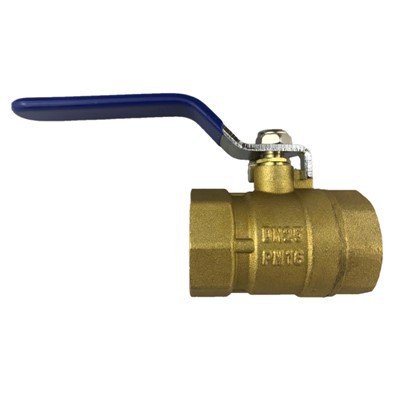
Hey there! As a supplier of Silent Check Valves, I often get asked about the working environment temperature range of these valves. It's a crucial question because the temperature can significantly impact the performance and lifespan of a silent check valve. So, let's dive right into it.
Understanding the Basics of Silent Check Valves
First off, what exactly is a silent check valve? Well, it's a type of valve that allows fluid to flow in one direction only. When the fluid tries to flow in the reverse direction, the valve closes automatically, preventing backflow. This is super important in many industrial and commercial applications, like water supply systems, HVAC systems, and more.
You can learn more about silent check valves by checking out our Silent Check Valve page.
The Impact of Temperature on Silent Check Valves
Temperature plays a huge role in how a silent check valve operates. Different materials used in the valve construction have different temperature tolerances. For example, the rubber seals in a silent check valve can start to degrade if the temperature gets too high. On the other hand, extremely low temperatures can make the valve components brittle and less flexible.
Let's break it down into high and low temperature scenarios.
High Temperature
When the temperature rises, the materials in the valve can expand. This expansion can cause the valve to malfunction. If the temperature is too high, the rubber seals may lose their elasticity, leading to leaks. Also, the metal parts of the valve can warp, which can affect the valve's ability to close properly.
Most silent check valves are designed to handle temperatures up to around 120°C (248°F). However, this can vary depending on the specific model and the materials used. Some high - performance valves can withstand even higher temperatures, but they usually come at a higher cost.


Low Temperature
At low temperatures, the materials in the valve can become rigid. The rubber seals can harden, making it difficult for the valve to open and close smoothly. In extreme cold, there's also a risk of the fluid inside the valve freezing, which can cause the valve to crack.
Typically, silent check valves can operate in temperatures as low as - 20°C (- 4°F). But again, this depends on the valve's design and the materials used.
Factors Affecting the Temperature Range
There are several factors that can affect the working temperature range of a silent check valve.
Material Selection
The materials used in the valve construction are a major factor. For example, valves with EPDM (Ethylene Propylene Diene Monomer) seals can generally handle a wider temperature range compared to valves with nitrile rubber seals. EPDM seals can work in temperatures ranging from - 40°C (- 40°F) to 150°C (302°F), while nitrile rubber seals are usually limited to a range of - 20°C (- 4°F) to 100°C (212°F).
Valve Design
The design of the valve also matters. Valves with better insulation or heat - resistant coatings can handle higher temperatures. Similarly, valves designed to prevent freezing in cold environments can operate at lower temperatures.
Fluid Properties
The type of fluid flowing through the valve can affect the temperature range. Some fluids may have a higher freezing point or a lower boiling point, which can limit the valve's operating temperature. For example, if the fluid has a high viscosity at low temperatures, it can make it harder for the valve to open and close.
Choosing the Right Temperature Range for Your Application
When selecting a silent check valve, it's important to consider the temperature range of your specific application. Here are some tips:
- Know your environment: Determine the maximum and minimum temperatures that the valve will be exposed to. This could be the ambient temperature in the area where the valve is installed or the temperature of the fluid flowing through it.
- Check the valve specifications: Look for valves that are rated for the temperature range you need. Make sure to read the product documentation carefully to understand the valve's capabilities.
- Consider future changes: Think about any potential changes in temperature that could occur in the future. For example, if you're planning to expand your system or change the fluid being used, the temperature requirements may change.
Other Related Valves
In addition to silent check valves, we also offer other types of valves that may be useful in your application. For example, our Electric Modulated Dynamic Balance Valve and Dynamic Balance Valve are great for maintaining proper flow and pressure in your system.
Contact Us for Your Valve Needs
If you're in the market for a silent check valve or any other type of valve, we're here to help. Our team of experts can assist you in choosing the right valve for your specific application and temperature requirements. Whether you need a valve for a small residential project or a large industrial installation, we've got you covered.
Don't hesitate to reach out to us for more information or to discuss your valve needs. We're committed to providing high - quality products and excellent customer service.
References
- Valve Handbook, 4th Edition, by Robert W. McKetta
- Industrial Valves: Selection and Sizing, by Clarence W. Crane