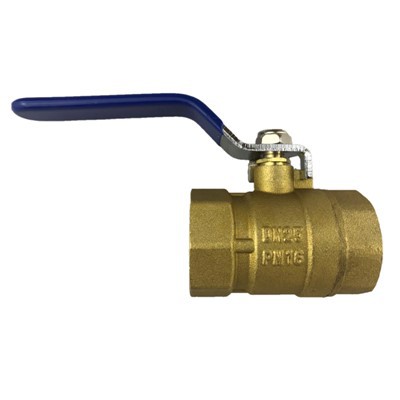
In the realm of mixing systems, the role of valves extends far beyond the commonly known types. As a supplier of other valves, I've witnessed firsthand how these specialized components play a crucial part in ensuring the efficiency, safety, and precision of various mixing processes. In this blog, we'll explore the diverse applications of other valves in mixing systems, highlighting their unique functions and benefits.
Silent Check Valve
Silent check valves are designed to prevent backflow in a system while minimizing noise and water hammer. In mixing systems, they are often used in pipelines where the flow of fluids needs to be controlled in one direction. For example, in a chemical mixing plant, silent check valves can be installed in the feed lines to prevent the backflow of chemicals, ensuring that the mixing process is not contaminated. The Silent Check Valve is engineered to close quickly and quietly, reducing the risk of damage to the system and improving the overall reliability of the mixing operation.
Dynamic Balance Valve
Dynamic balance valves are essential for maintaining a constant flow rate in a mixing system, regardless of changes in pressure or flow conditions. In a heating or cooling system, for instance, these valves can be used to balance the flow of hot or cold water to different zones, ensuring that the temperature is evenly distributed. The Dynamic Balance Valve automatically adjusts the flow rate to compensate for variations in pressure, providing a stable and efficient mixing environment.
Rubber Flap Check Valve
Rubber flap check valves are a cost-effective solution for preventing backflow in low-pressure applications. They are commonly used in wastewater treatment plants, where they can be installed in the discharge lines to prevent the backflow of sewage. In a mixing system, rubber flap check valves can be used to control the flow of liquids or gases, ensuring that the mixing process is carried out smoothly. The Rubber Flap Check Valve is made of high-quality rubber, which provides excellent sealing performance and durability.
Composite Air Release Valve
Composite air release valves are designed to release air from a system, preventing the formation of air pockets that can reduce the efficiency of the mixing process. In a water distribution system, for example, these valves can be installed at high points in the pipeline to release air that accumulates during operation. In a mixing system, composite air release valves can be used to ensure that the fluids are mixed thoroughly, without the presence of air bubbles. The Composite Air Release Valve is made of composite materials, which provide excellent corrosion resistance and durability.
Electric Modulated Dynamic Balance Valve
Electric modulated dynamic balance valves offer precise control over the flow rate in a mixing system. They can be used in applications where the flow rate needs to be adjusted based on specific requirements, such as in a pharmaceutical manufacturing plant. The Electric Modulated Dynamic Balance Valve can be controlled remotely, allowing for easy adjustment and monitoring of the mixing process. This type of valve provides a high level of accuracy and flexibility, making it an ideal choice for complex mixing systems.
Applications in Different Industries
Chemical Industry
In the chemical industry, mixing systems are used to combine various chemicals to produce a wide range of products. Other valves play a critical role in ensuring the safety and efficiency of these processes. For example, silent check valves can prevent the backflow of hazardous chemicals, while dynamic balance valves can maintain a consistent flow rate to ensure accurate mixing ratios.
Food and Beverage Industry
In the food and beverage industry, mixing systems are used to blend ingredients, such as flavors, colors, and additives. Other valves are essential for maintaining the hygiene and quality of the products. Rubber flap check valves can prevent the contamination of the mixing process, while composite air release valves can ensure that the products are free from air bubbles.
HVAC Industry
In the HVAC industry, mixing systems are used to control the temperature and humidity of a building. Other valves are used to balance the flow of hot and cold water, ensuring that the system operates efficiently. Electric modulated dynamic balance valves can provide precise control over the flow rate, allowing for optimal comfort and energy savings.
Benefits of Using Other Valves in Mixing Systems
Improved Efficiency
By using other valves in a mixing system, the flow of fluids can be controlled more precisely, reducing the energy consumption and improving the overall efficiency of the process.
Enhanced Safety
Other valves can prevent the backflow of fluids, reducing the risk of contamination and ensuring the safety of the mixing process.
Better Quality
The use of other valves can help to maintain a consistent flow rate and prevent the formation of air pockets, resulting in a higher quality of the mixed products.


Increased Reliability
Other valves are designed to withstand harsh operating conditions and provide long-term reliability, reducing the maintenance and downtime of the mixing system.
Conclusion
In conclusion, other valves play a vital role in the efficient and safe operation of mixing systems. From preventing backflow to maintaining a constant flow rate, these specialized components offer a wide range of benefits in various industries. As a supplier of other valves, I'm committed to providing high-quality products that meet the specific needs of our customers. If you're looking for reliable valves for your mixing system, I encourage you to contact us to discuss your requirements and explore the possibilities of our products.
References
- ASHRAE Handbook: HVAC Systems and Equipment
- Valve Handbook, 4th Edition by E. Ludwig
- Chemical Engineering Handbook by Perry and Green