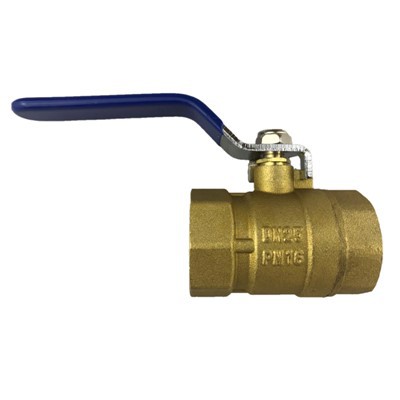
Hey there! As a supplier of brass gate valves, I often get asked about the fire - safety requirements for these valves. It's a super important topic, especially when you're dealing with systems where fire hazards are a real concern. Let's dive right in and explore what these requirements are.
Understanding the Basics of Brass Gate Valves
First off, let's talk a bit about brass gate valves. They're commonly used in a wide range of applications, from water supply systems to industrial pipelines. Brass is a popular choice because it's corrosion - resistant, has good mechanical properties, and is relatively easy to machine.
But when it comes to fire safety, we need to look at how these valves perform under high - temperature conditions. In a fire situation, a valve that fails can lead to the spread of fire, release of hazardous substances, or cause damage to the entire system.
Fire - Safety Standards and Regulations
There are several international and national standards that govern the fire - safety requirements for valves, including brass gate valves. For example, in the United States, the National Fire Protection Association (NFPA) has a set of standards that address valve performance in fire scenarios.
One of the key aspects is the valve's ability to maintain its integrity during a fire. This means that the valve should be able to prevent the flow of flammable fluids or gases even when exposed to high temperatures. It should also be able to withstand the mechanical stresses caused by the fire, such as thermal expansion and contraction.
Material Considerations
The material of the brass gate valve plays a crucial role in its fire - safety performance. High - quality brass alloys are designed to have a certain level of heat resistance. However, not all brass is created equal. Some alloys may have better fire - resistant properties than others.
For instance, brass alloys with higher copper content tend to have better thermal conductivity, which can help dissipate heat more effectively. This can prevent the valve from overheating and failing during a fire. Additionally, the manufacturing process can also affect the fire - safety performance of the valve. Proper heat treatment and quality control during production can ensure that the valve meets the required fire - safety standards.


Testing and Certification
To ensure that a brass gate valve meets the fire - safety requirements, it needs to undergo rigorous testing. These tests typically simulate fire conditions, such as exposing the valve to high temperatures for a specified period of time.
The valve is then evaluated based on its ability to maintain its sealing integrity, prevent leakage, and withstand the mechanical stresses of the fire. If the valve passes these tests, it can be certified as meeting the relevant fire - safety standards.
Installation and Maintenance
Proper installation and maintenance are also essential for ensuring the fire - safety of brass gate valves. During installation, it's important to follow the manufacturer's instructions carefully. This includes using the correct gaskets, bolts, and other components.
Regular maintenance is also crucial. This involves inspecting the valve for signs of wear, corrosion, or damage. Any issues should be addressed promptly to ensure that the valve continues to perform well in a fire situation.
Comparison with Other Valve Types
It's also interesting to compare brass gate valves with other valve types in terms of fire safety. For example, Stainless Steel Ball Valve and Brass Ball Valve have different fire - safety characteristics.
Stainless steel ball valves are known for their high - temperature resistance and durability. They can often withstand more extreme fire conditions compared to brass gate valves. However, brass gate valves are still a popular choice in many applications due to their cost - effectiveness and ease of use.
Another valve type to consider is the Stainless Steel Gate Valve. Like stainless steel ball valves, they offer good fire - safety performance. But again, the choice between a brass gate valve and a stainless steel gate valve depends on the specific requirements of the application.
Conclusion
In conclusion, fire - safety requirements for brass gate valves are complex and involve a combination of material selection, testing, installation, and maintenance. As a supplier, I'm committed to providing high - quality brass gate valves that meet the relevant fire - safety standards.
If you're in the market for brass gate valves or have any questions about fire - safety requirements, don't hesitate to reach out. We can have a detailed discussion about your specific needs and find the best solution for you. Whether it's for a small - scale project or a large industrial application, we've got you covered.
References
- National Fire Protection Association (NFPA) standards
- Technical literature on brass valve materials and manufacturing processes