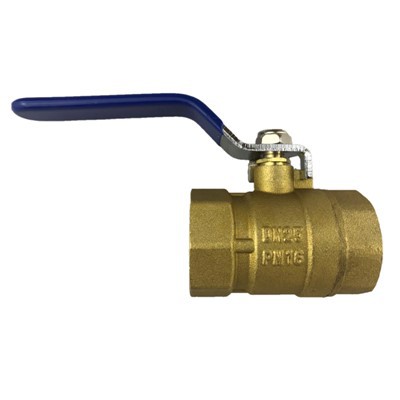
As a trusted supplier of Worm Gear Butterfly Valves, ensuring the tightness of these valves is of utmost importance. A well - functioning and tightly sealed worm gear butterfly valve is crucial for various industrial applications, as it can prevent leaks, maintain system efficiency, and ensure safety. In this blog, I will share some effective methods to check the tightness of a worm gear butterfly valve.
Visual Inspection
The first step in checking the tightness of a worm gear butterfly valve is a visual inspection. Start by examining the valve body for any visible signs of damage, such as cracks, dents, or corrosion. These issues can compromise the valve's integrity and lead to leaks. Check the valve's flange connections as well. Loose or misaligned flanges can cause gaps that allow fluid to escape. Make sure the bolts are tightened evenly and to the correct torque specification.
Inspect the valve disc and seat. The disc should fit snugly against the seat when the valve is closed. Look for any signs of wear or damage on the disc and seat surfaces. If there are scratches, nicks, or other imperfections, it may affect the valve's ability to seal properly. A damaged seat can be a common cause of leakage, especially in high - pressure applications.


Pressure Testing
Pressure testing is a reliable way to check the tightness of a worm gear butterfly valve. There are two main types of pressure tests: hydrostatic testing and pneumatic testing.
Hydrostatic Testing
Hydrostatic testing involves filling the valve with a liquid, usually water, and applying pressure to check for leaks. First, close the valve and isolate it from the system. Then, connect a pressure source to the valve and slowly increase the pressure to the test pressure specified by the valve manufacturer. The test pressure is typically higher than the normal operating pressure to ensure the valve can withstand extreme conditions.
During the test, carefully observe the valve for any signs of leakage. Check around the valve body, flange connections, and stem packing. If there are any visible drips or seepage, it indicates a leak. The test should be held for a specific period, usually around 10 - 30 minutes, to ensure the valve remains tight under pressure.
Pneumatic Testing
Pneumatic testing uses compressed air or gas instead of liquid. This method is often preferred for applications where water cannot be used, such as in systems that are sensitive to moisture. Similar to hydrostatic testing, the valve is closed and isolated. Compressed air or gas is then introduced into the valve, and the pressure is increased to the test pressure.
To detect leaks during pneumatic testing, you can use a soap solution. Apply the soap solution to the areas where leaks are likely to occur, such as the valve body joints and stem packing. If there are any leaks, bubbles will form at the leak points. This method is very effective for detecting small leaks that may not be visible otherwise.
Operational Testing
Operational testing involves opening and closing the valve multiple times to check its performance and tightness. Use the worm gear actuator to operate the valve. Make sure the valve opens and closes smoothly without any excessive resistance. If there is a lot of resistance or the valve does not fully open or close, it may indicate a problem with the valve mechanism or the tightness of the seal.
During the operational test, also check for any unusual noises or vibrations. These can be signs of internal damage or misalignment. After each operation, check for any signs of leakage around the valve. This type of testing can help identify issues that may not be apparent during static pressure testing.
Using Leak Detection Equipment
In addition to the above methods, there are various leak detection equipment available that can provide more accurate and sensitive results. For example, ultrasonic leak detectors can detect the high - frequency sound waves produced by leaks. These detectors can be used to scan the valve and identify the exact location of a leak, even if it is very small.
Another option is to use helium mass spectrometers. Helium is a very small molecule that can easily penetrate small leaks. By introducing helium into the valve and using a mass spectrometer to detect the presence of helium outside the valve, you can accurately measure the leak rate. This method is especially useful for high - precision applications where even the smallest leaks can have a significant impact.
Maintenance and Regular Checks
Regular maintenance is essential for ensuring the long - term tightness of a worm gear butterfly valve. Follow the manufacturer's recommended maintenance schedule, which may include lubricating the valve components, inspecting and replacing worn parts, and cleaning the valve.
Periodically check the valve's tightness using the methods described above. By performing regular checks, you can detect and address any potential issues before they become major problems. This can help extend the lifespan of the valve and ensure its reliable operation.
Related Products
If you are interested in other types of butterfly valves, we also offer Lever Operated Butterfly Valve, Stainless Steel Butterfly Valve, and Gear Operated Butterfly Valve. These valves are designed to meet different application requirements and offer reliable performance.
Conclusion
Checking the tightness of a worm gear butterfly valve is a critical process that requires careful attention to detail. By using a combination of visual inspection, pressure testing, operational testing, and leak detection equipment, you can ensure that the valve is functioning properly and tightly sealed. Regular maintenance and checks are also essential for the long - term performance of the valve.
If you are in the market for high - quality worm gear butterfly valves or need more information on valve tightness checks, we are here to help. Contact us to discuss your specific requirements and start a procurement negotiation. We look forward to working with you to provide the best valve solutions for your needs.
References
- Valve Manufacturer's Manuals
- Industry Standards for Valve Testing and Inspection