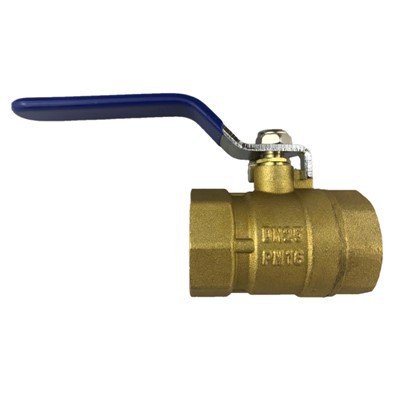
In the realm of industrial and plumbing applications, the Brass Globe Valve stands as a crucial component, widely recognized for its versatility and reliability. As a supplier of these valves, I've witnessed firsthand the widespread use of brass globe valves across various industries. However, it's essential to delve into the environmental impacts associated with their use. This blog post aims to explore these impacts comprehensively, shedding light on both the positive and negative aspects of using brass globe valves.
Manufacturing Process and Resource Consumption
The production of brass globe valves involves several steps, each with its own environmental implications. Brass is an alloy primarily composed of copper and zinc, and extracting these metals from their ores requires significant energy and resources. Mining operations for copper and zinc can lead to habitat destruction, soil erosion, and water pollution. The extraction process often involves the use of large amounts of water and chemicals, which can have detrimental effects on local ecosystems.
Once the raw materials are obtained, they are smelted and refined to produce brass. This process requires high temperatures, which are typically achieved through the combustion of fossil fuels. The burning of fossil fuels releases greenhouse gases such as carbon dioxide and nitrogen oxides, contributing to climate change. Additionally, the smelting process can generate air pollutants such as sulfur dioxide and particulate matter, which can have negative health effects on humans and the environment.
Energy Consumption during Use
Brass globe valves are commonly used in plumbing and industrial systems to control the flow of fluids. The operation of these valves requires energy, primarily in the form of mechanical force to open and close the valve. In some cases, electric actuators may be used to automate the valve operation, which further increases energy consumption.
The energy consumption associated with brass globe valves can have a significant environmental impact, especially in large-scale industrial applications. For example, in a power plant, the continuous operation of multiple brass globe valves can consume a substantial amount of electricity. This not only increases the cost of operation but also contributes to the overall carbon footprint of the facility.
Corrosion and Leakage
One of the potential environmental impacts of using brass globe valves is corrosion. Brass is a relatively corrosion-resistant material, but it can still corrode over time, especially in harsh environments or when exposed to certain chemicals. Corrosion can lead to the degradation of the valve, resulting in leaks and reduced efficiency.
Leakage from brass globe valves can have several environmental consequences. Firstly, it can lead to the loss of valuable fluids, such as water or chemicals, which can be costly and wasteful. Secondly, leaked fluids can contaminate the surrounding environment, posing a risk to human health and the ecosystem. For example, if a brass globe valve in a chemical processing plant leaks, the released chemicals can pollute the soil, water, and air.


End-of-Life Disposal
When brass globe valves reach the end of their useful life, they need to be disposed of properly. Improper disposal of these valves can have significant environmental impacts. Brass is a valuable metal, and recycling it can help conserve natural resources and reduce energy consumption. However, if brass globe valves are not recycled, they may end up in landfills, where they can take a long time to decompose and may release harmful substances into the environment.
Positive Environmental Aspects
Despite the potential environmental impacts associated with brass globe valves, there are also some positive aspects to consider. Firstly, brass is a recyclable material, which means that at the end of its life, a brass globe valve can be melted down and reused to produce new products. Recycling brass requires less energy compared to producing new brass from raw materials, which helps reduce the overall environmental impact of the valve.
Secondly, brass globe valves are known for their durability and long lifespan. A well-maintained brass globe valve can last for many years, reducing the need for frequent replacements. This not only saves resources but also reduces the environmental impact associated with the manufacturing and disposal of new valves.
Mitigating the Environmental Impact
As a supplier of brass globe valves, I am committed to minimizing the environmental impact of our products. We take several steps to ensure that our manufacturing processes are as sustainable as possible. For example, we source our raw materials from responsible suppliers who adhere to strict environmental standards. We also invest in energy-efficient technologies to reduce the energy consumption during the manufacturing process.
In addition, we provide our customers with information on how to properly maintain and use our brass globe valves to minimize the risk of corrosion and leakage. We encourage our customers to recycle their old valves at the end of their useful life to conserve resources and reduce waste.
Conclusion
In conclusion, the use of brass globe valves has both positive and negative environmental impacts. While the manufacturing process and energy consumption during use can have a significant environmental footprint, the recyclability and durability of brass globe valves offer some environmental benefits. As a supplier, it is our responsibility to minimize the negative impacts and maximize the positive ones.
If you are interested in learning more about our Brass Globe Valve products or have any questions about their environmental impact, please feel free to contact us. We are also happy to discuss other related products such as Stainless Steel Gate Valve and Stainless Steel Y Strainer. Our team of experts is ready to assist you in finding the right solutions for your specific needs.
References
- "Environmental Impact of Metal Mining and its Mitigation." United Nations Environment Programme.
- "Sustainable Manufacturing: A Review of Concepts and Practices." Journal of Cleaner Production.
- "Corrosion of Metals in the Environment." Handbook of Corrosion Engineering.