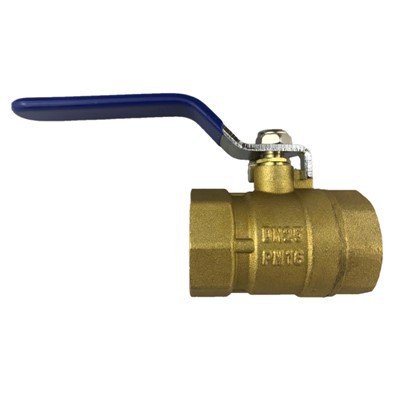
Troubleshooting the signal problems of a Grooved Signal Gate Valve is crucial for ensuring its efficient and reliable operation. As a supplier of Grooved Signal Gate Valves, we understand the importance of providing comprehensive guidance on how to address these issues. In this blog, we will explore the common signal problems that you may encounter with a Grooved Signal Gate Valve and provide practical solutions to resolve them.
Understanding the Grooved Signal Gate Valve
Before delving into troubleshooting, it's essential to have a basic understanding of the Grooved Signal Gate Valve. This type of valve is widely used in various industries for its reliable shut - off capabilities and the ability to provide a signal indicating the valve's position. The grooved design allows for easy installation and connection to the pipeline system.
There are different types of gate valves in the market, such as the Rising Stem Gate Valve and the Stainless Steel Flanged Gate Valve. Our Grooved Signal Gate Valve combines the advantages of the grooved connection and the signal - indicating feature, making it a popular choice for many applications.
Common Signal Problems and Their Causes
1. No Signal Output
- Electrical Connection Issues: One of the most common reasons for no signal output is a poor electrical connection. Loose wires, corroded terminals, or damaged connectors can disrupt the flow of electrical signals from the valve's position sensor to the control system.
- Sensor Malfunction: The position sensor in the Grooved Signal Gate Valve may fail due to wear and tear, physical damage, or electrical problems. If the sensor is not functioning correctly, it will not be able to detect the valve's position and send the appropriate signal.
- Power Supply Problems: Insufficient or interrupted power supply to the valve's signal device can also result in no signal output. This could be due to a blown fuse, a tripped circuit breaker, or a problem with the power source itself.
2. Incorrect Signal Reading
- Sensor Misalignment: If the position sensor is not properly aligned with the valve stem or the valve's moving parts, it may provide an incorrect signal reading. This can happen during installation or due to mechanical vibrations over time.
- Calibration Issues: The position sensor needs to be calibrated correctly to provide accurate signal readings. If the calibration is off, the signal indicating the valve's position may not match its actual position.
- Environmental Interference: External factors such as electromagnetic interference (EMI) or radio - frequency interference (RFI) can affect the accuracy of the signal reading. This is especially common in industrial environments where there are many electrical devices and machinery.
3. Intermittent Signal
- Loose Components: Loose mechanical components within the valve or the signal device can cause intermittent signal problems. For example, a loose wire connection or a loose mounting of the position sensor can result in an inconsistent signal output.
- Moisture or Contaminants: Moisture or contaminants entering the signal device can cause short - circuits or other electrical problems, leading to intermittent signal issues. This can happen if the valve is installed in a wet or dirty environment without proper protection.
- Mechanical Wear: Over time, mechanical wear of the valve's moving parts or the signal device can cause intermittent signal problems. For example, worn - out bearings or gears can result in inconsistent movement of the valve stem, which in turn affects the signal output.
Troubleshooting Steps
1. Check the Electrical Connections
- Inspect Wires and Terminals: Carefully examine all the electrical wires connected to the valve's signal device. Look for any signs of damage, such as frayed wires or broken insulation. Check the terminals for tightness and corrosion. If a wire is damaged, replace it; if a terminal is corroded, clean it with an appropriate electrical contact cleaner.
- Verify Connector Integrity: Ensure that all connectors are properly seated and locked. Unplug and replug the connectors to make sure they have a good connection. If a connector is damaged, replace it.
2. Test the Power Supply
- Check Fuses and Circuit Breakers: Locate the fuses and circuit breakers associated with the valve's signal device. Check if any fuses are blown or if any circuit breakers have tripped. Replace blown fuses with the correct rating and reset the tripped circuit breakers.
- Measure Power Voltage: Use a multimeter to measure the voltage at the power input of the signal device. Compare the measured voltage with the specified voltage range for the device. If the voltage is outside the acceptable range, check the power source and any associated power - conditioning equipment.
3. Inspect the Position Sensor
- Check for Physical Damage: Visually inspect the position sensor for any signs of physical damage, such as cracks, dents, or bent components. If the sensor is damaged, it will need to be replaced.
- Verify Sensor Alignment: Ensure that the position sensor is properly aligned with the valve stem or the valve's moving parts. Refer to the valve's installation manual for the correct alignment procedure. If necessary, adjust the sensor's position to ensure accurate signal readings.
- Perform Sensor Calibration: If the signal readings are incorrect, the position sensor may need to be calibrated. Follow the manufacturer's calibration procedure, which typically involves adjusting the sensor's settings while the valve is in known positions (fully open and fully closed).
4. Address Environmental Issues
- Protect Against Moisture and Contaminants: If the valve is installed in a wet or dirty environment, consider installing protective enclosures or seals to prevent moisture and contaminants from entering the signal device. Use waterproof connectors and cable glands to ensure a tight seal.
- Reduce Electromagnetic Interference: To mitigate EMI and RFI, use shielded cables for the electrical connections. Install ferrite beads on the cables to suppress high - frequency noise. Keep the signal cables away from high - power electrical cables and other sources of interference.
5. Examine Mechanical Components
- Check for Loose Parts: Inspect the valve's mechanical components, including the valve stem, bearings, and gears, for any signs of looseness. Tighten any loose bolts or nuts and ensure that all components are securely mounted.
- Lubricate Moving Parts: If the valve's moving parts are dry or worn, lubricate them with the appropriate lubricant. This can help reduce friction and wear, ensuring smooth operation and consistent signal output.
When to Seek Professional Help
In some cases, troubleshooting the signal problems of a Grooved Signal Gate Valve may require professional expertise. If you have followed all the troubleshooting steps and the problem still persists, or if you are unsure about any of the procedures, it is advisable to contact a qualified technician or the valve manufacturer's technical support team.


Conclusion
Troubleshooting the signal problems of a Grooved Signal Gate Valve requires a systematic approach. By understanding the common problems and their causes, and following the appropriate troubleshooting steps, you can effectively resolve most signal issues. Our company, as a leading supplier of Grooved Signal Gate Valves, is committed to providing high - quality products and comprehensive technical support. If you are experiencing signal problems with our valve or are considering purchasing a Grooved Rising Stem Gate Valve, please contact us for further assistance and to discuss your specific requirements. We look forward to working with you to ensure the optimal performance of your valve system.
References
- Manufacturer's installation and maintenance manuals for Grooved Signal Gate Valves.
- Industry standards and guidelines for valve installation and troubleshooting.