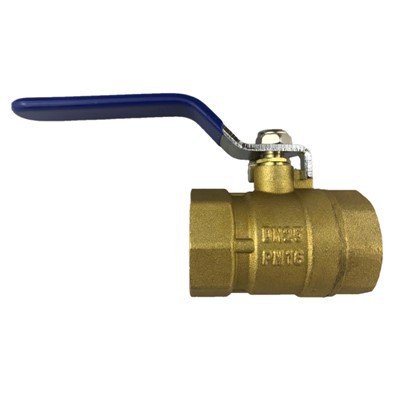
As a recognized butterfly valve supplier in the industry, I often encounter clients who are confused about the diverse standards governing butterfly valves. These standards are not just bureaucratic boxes to tick; they are the cornerstone of quality, safety, and performance in fluid control systems. In this blog, I aim to shed light on the key standards for butterfly valves and explain why adhering to them is crucial for both suppliers like us and our valued customers.
International Standards for Butterfly Valves
One of the most globally respected sets of standards for butterfly valves is developed by the American Petroleum Institute (API). The API 609 standard, for instance, specifically addresses the requirements for double - flanged, lug - type, and wafer - type butterfly valves used in petroleum, petrochemical, and other industrial applications. This standard focuses on dimensions, material requirements, performance, and testing procedures.
The International Organization for Standardization (ISO) also plays a significant role in establishing standards for butterfly valves. ISO 5752 defines the face - to - face and end - to - end dimensions for various types of industrial valves, including butterfly valves. This is essential for ensuring seamless integration when installing butterfly valves in different piping systems. ISO 17292 sets out the requirements for quality and performance of butterfly valves used in process control systems. It covers aspects such as design, materials, pressure testing, and marking.
In Europe, the European Committee for Standardization (CEN) has developed standards such as EN 593, which applies to industrial butterfly valves. This standard specifies the design, dimensions, and performance requirements for butterfly valves with various connection types, including flange and wafer connections. It also focuses on factors like flow characteristics, leakage classes, and operational torques.
Design and Construction Standards
The design and construction of a butterfly valve are critical to its performance. Firstly, the body of the valve should be strong enough to withstand the pressure and temperature of the fluid it is handling. For example, Stainless Steel Butterfly Valve are well - known for their corrosion resistance and strength, making them suitable for a wide range of aggressive or corrosive media. When designing the valve body, standards dictate that it should have proper wall thicknesses to prevent deformation under high pressure.
The disc of the butterfly valve is another important component. It should be designed to provide a tight seal when closed and offer minimal resistance to flow when open. The shape and material of the disc can vary depending on the application. For instance, in high - temperature applications, special heat - resistant materials may be used for the disc.
The stem of the valve must be able to transmit the rotational force from the actuator to the disc effectively. It should be properly supported and sealed to prevent leakage along the stem. Standards define the minimum diameter and material requirements for the stem to ensure its reliability and long - term performance.
Performance Standards
Flow characteristics are a major aspect of butterfly valve performance. Standards typically specify the maximum and minimum flow rates that a valve should be able to handle. The valve's flow coefficient (Cv) is a key parameter in this regard, which measures how much fluid can pass through the valve at a given pressure drop. A higher Cv value indicates a valve with better flow capacity.
Leakage is another critical performance factor. Different industries have different acceptable leakage levels. For example, in the pharmaceutical or food and beverage industries, extremely low leakage levels are required to prevent contamination. Standards classify valves into different leakage classes, such as those defined in EN 593, which range from zero leakage to controlled amounts of leakage.
The operational torque of a butterfly valve is also regulated by standards. The torque required to open and close the valve should be within a reasonable range to ensure easy operation. This is especially important for valves that are operated manually or by small actuators. For Worm Gear Butterfly Valve and Gear Operated Butterfly Valve, the gear mechanisms should be designed to provide the right amount of torque multiplication to operate the valve effectively.
Material and Manufacturing Standards
The choice of materials for butterfly valves is governed by strict standards. As mentioned earlier, stainless steel is a popular choice for its corrosion resistance. Other materials such as cast iron, carbon steel, and alloy steels are also used depending on the application requirements. Standards specify the chemical composition, mechanical properties, and heat treatment of these materials.
Manufacturing processes are also closely regulated. For example, the casting process for valve bodies should ensure that there are no internal defects such as porosity or cracks. Welding, when used in valve construction, should meet specific welding standards to ensure the integrity of the joints. Machining operations should be carried out to precise tolerances to ensure proper fit and function of the valve components.
Certification and Testing
To prove compliance with the relevant standards, butterfly valves must undergo rigorous testing. Pressure testing is one of the most common tests. It involves subjecting the valve to a specified pressure to check for leaks and ensure the structural integrity of the valve under pressure.
Endurance testing is also important, especially for valves that are expected to have a long service life. This test involves repeated opening and closing of the valve to simulate its actual operating conditions and check for any signs of wear or fatigue.
Certification bodies play a vital role in verifying that a valve meets the required standards. For example, valves that comply with API standards may be certified by API - approved laboratories. ISO - compliant valves can also receive official ISO certifications. These certifications provide assurance to customers that the valves they are purchasing are of high quality and meet the necessary performance and safety requirements.
Why These Standards Matter to Customers
For our customers, these standards are the guarantee of a reliable and high - performing product. When they choose a butterfly valve that meets international standards, they can be confident that the valve will fit correctly into their piping systems, provide the required flow control, and resist leakage and corrosion over time.
Standards also promote safety. In industries where fluid control systems can be hazardous, such as in the oil and gas or chemical industries, using valves that meet strict standards reduces the risk of accidents and environmental emissions.
Importance of Standards to a Supplier
As a supplier, adhering to standards is not only a legal requirement but also a way to build trust with our customers. By producing butterfly valves that meet the highest standards, we can distinguish ourselves from less - reputable suppliers. Moreover, standard - compliant products are more likely to be accepted in international markets, which expands our business opportunities.
Different Types of Butterfly Valves and Standards
Let's take a look at some specific types of butterfly valves and how standards apply to them. Worm Gear Operated Flange Butterfly Valve are often used in applications where a higher level of torque is required for operation. The worm gear mechanism provides a mechanical advantage, but it must also be designed and manufactured to meet specific standards for smooth and efficient operation.
Lever Operated Butterfly Valve are simpler in design and are commonly used in applications where quick and easy manual operation is needed. However, they still need to meet standards for dimensions, sealing, and flow characteristics to ensure reliable performance.

Conclusion
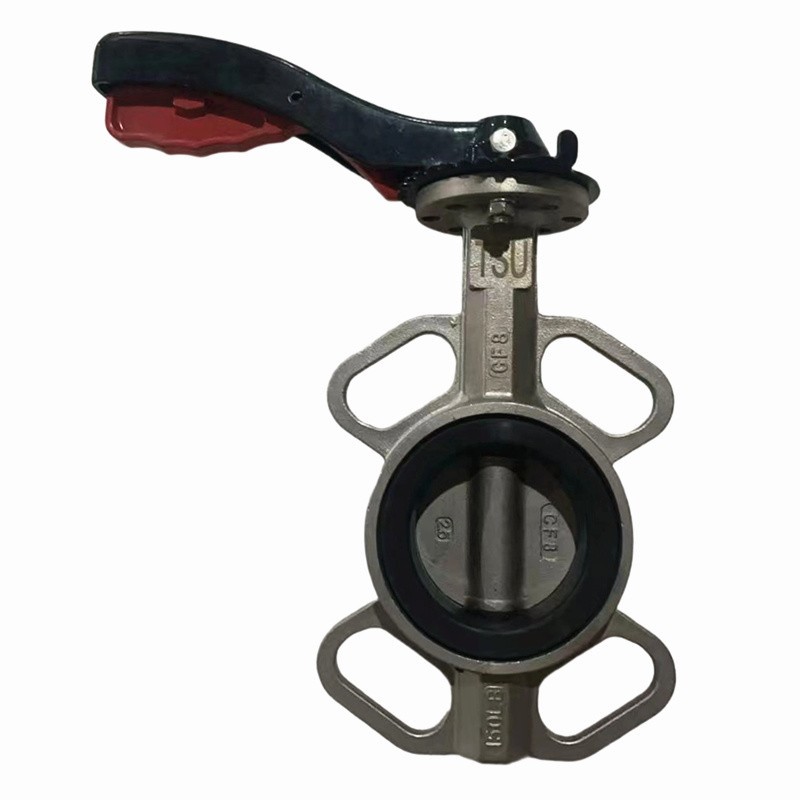
In conclusion, the standards for butterfly valves cover a wide range of aspects, from design and construction to performance and material selection. These standards are essential for ensuring the quality, safety, and reliability of butterfly valves. As a supplier, we are committed to producing butterfly valves that not only meet but often exceed these standards.
If you are in the market for high - quality butterfly valves that adhere to the strictest international standards, we invite you to contact us for a procurement discussion. We have the expertise and product range to meet your specific requirements, whether you need Stainless Steel Butterfly Valve, Worm Gear Butterfly Valve, or any other type of butterfly valve.
References
- American Petroleum Institute. API 609: Double - Flanged, Lug - Type, and Wafer - Type Butterfly Valves.
- International Organization for Standardization. ISO 5752: Face - to - face and end - to - end dimensions of industrial valves.
- International Organization for Standardization. ISO 17292: Butterfly valves for process control.
- European Committee for Standardization. EN 593: Industrial butterfly valves.