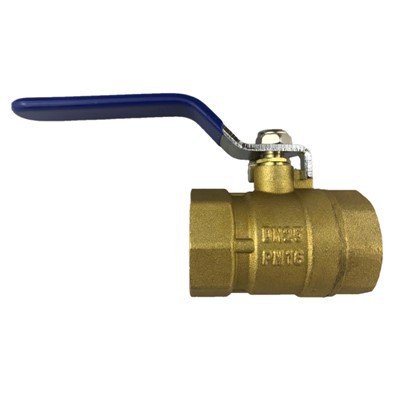
Brass Y strainers are essential components in various industrial and commercial applications, designed to remove solid particles from liquid or gas flow, ensuring the smooth operation of downstream equipment. As a dedicated brass Y strainer supplier, I am often asked about the materials used in the manufacturing of these strainers. In this blog, I will delve into the different materials that go into making a brass Y strainer, their properties, and why they are chosen for this purpose.


Brass: The Primary Material
The core material of a brass Y strainer is, as the name suggests, brass. Brass is an alloy composed mainly of copper and zinc, with the proportion of these two elements varying depending on the desired properties. The typical composition of brass used in Y strainers contains around 60 - 70% copper and 30 - 40% zinc.
Properties of Brass
- Corrosion Resistance: Brass has excellent corrosion resistance, which is crucial for strainers that are often exposed to various fluids, including water, chemicals, and gases. This property ensures a long service life, even in harsh environments.
- Malleability and Ductility: Brass is highly malleable and ductile, which means it can be easily shaped into the complex geometries required for Y strainers. This allows for the production of strainers with precise dimensions and smooth internal surfaces, minimizing flow resistance.
- Strength and Durability: Despite its relatively soft nature compared to some other metals, brass has sufficient strength to withstand the pressure and forces exerted during normal operation. It can also resist wear and tear, making it suitable for long - term use.
Types of Brass Used
- Cartridge Brass: This type of brass contains about 70% copper and 30% zinc. It is known for its good formability and corrosion resistance, making it a popular choice for Y strainers.
- Leaded Brass: Leaded brass contains a small amount of lead (usually around 1 - 3%), which improves its machinability. This makes it easier to manufacture complex parts, such as the threaded connections and internal components of the Y strainer.
Mesh and Screen Materials
In addition to the brass body, the mesh or screen inside the Y strainer is another important component. The mesh is responsible for filtering out solid particles from the fluid flow.
Stainless Steel Mesh
- Properties: Stainless steel is a popular choice for mesh materials due to its high strength, corrosion resistance, and durability. It can withstand high temperatures and pressures, making it suitable for a wide range of applications.
- Benefits: Stainless steel mesh can be easily cleaned and reused, reducing maintenance costs. It also has a fine filtration capability, allowing it to capture small particles effectively. You can find high - quality Stainless Steel Y Strainer with stainless steel mesh in our product range.
Nylon Mesh
- Properties: Nylon mesh is lightweight, flexible, and has good chemical resistance. It is often used in applications where the fluid is relatively clean and the filtration requirements are not extremely high.
- Benefits: Nylon mesh is cost - effective and can be easily replaced if damaged. It is also less likely to cause scratches or damage to the internal components of the strainer.
Gaskets and Seals
Gaskets and seals are used to ensure a tight and leak - free connection between the different parts of the Y strainer.
Rubber Gaskets
- Properties: Rubber gaskets, such as EPDM (Ethylene Propylene Diene Monomer) or NBR (Nitrile Butadiene Rubber), are commonly used in brass Y strainers. They have good elasticity, which allows them to form a tight seal even under varying pressures and temperatures.
- Benefits: Rubber gaskets are resistant to many chemicals and fluids, providing reliable sealing performance. They are also relatively inexpensive and easy to install.
PTFE (Polytetrafluoroethylene) Seals
- Properties: PTFE seals are known for their excellent chemical resistance and low friction coefficient. They can withstand high temperatures and pressures, making them suitable for demanding applications.
- Benefits: PTFE seals provide a very tight seal, preventing leakage and ensuring the efficient operation of the Y strainer. They are also resistant to wear and tear, reducing the need for frequent replacement.
Threaded Inserts and Fasteners
Threaded inserts and fasteners are used to assemble the different parts of the Y strainer.
Brass Threaded Inserts
- Properties: Brass threaded inserts are used to provide a strong and reliable thread connection. They have good corrosion resistance and can be easily threaded into the brass body of the strainer.
- Benefits: Brass threaded inserts ensure a secure fit, preventing loosening and leakage. They also provide a smooth and consistent thread, making it easier to assemble and disassemble the strainer for maintenance.
Stainless Steel Fasteners
- Properties: Stainless steel fasteners, such as bolts and nuts, are used to hold the different parts of the Y strainer together. They have high strength and corrosion resistance, ensuring a long - lasting connection.
- Benefits: Stainless steel fasteners are less likely to rust or corrode, even in harsh environments. They also provide a strong and reliable connection, preventing the strainer from coming apart during operation.
Other Materials
In some cases, additional materials may be used in the manufacturing of brass Y strainers, depending on the specific requirements of the application.
Coating Materials
- Zinc Coating: A zinc coating can be applied to the brass body of the strainer to provide additional corrosion protection. Zinc is a sacrificial metal, which means it will corrode before the brass, extending the service life of the strainer.
- Epoxy Coating: Epoxy coatings can be used to provide a smooth and non - stick surface, reducing the adhesion of particles and making the strainer easier to clean.
Why Choose Our Brass Y Strainers
As a leading brass Y strainer supplier, we take pride in using high - quality materials in the manufacturing of our products. Our brass Y strainers are designed to meet the highest standards of quality and performance. We source our materials from reliable suppliers and conduct strict quality control checks at every stage of the manufacturing process.
In addition to brass Y strainers, we also offer a wide range of related products, such as Stainless Steel Gate Valve and Stainless Steel Ball Valve. Our products are suitable for various industries, including oil and gas, water treatment, chemical processing, and more.
If you are in the market for high - quality brass Y strainers or other valve products, we invite you to contact us for a detailed discussion. Our experienced sales team will be happy to assist you in finding the right products for your specific needs. Whether you need a standard product or a custom - designed solution, we have the expertise and resources to meet your requirements.
References
- ASM Handbook, Volume 2: Properties and Selection: Nonferrous Alloys and Special - Purpose Materials. ASM International.
- Perry's Chemical Engineers' Handbook. McGraw - Hill Education.
- Valve Handbook: Principles and Applications. Elsevier.