


Testing the performance of a worm gear butterfly valve is a crucial step to ensure its reliability, efficiency, and safety in various industrial applications. As a supplier of high - quality Worm Gear Butterfly Valve, we understand the significance of rigorous testing procedures. In this blog, we will explore the key aspects of testing the performance of a worm gear butterfly valve.
Understanding the Basics of a Worm Gear Butterfly Valve
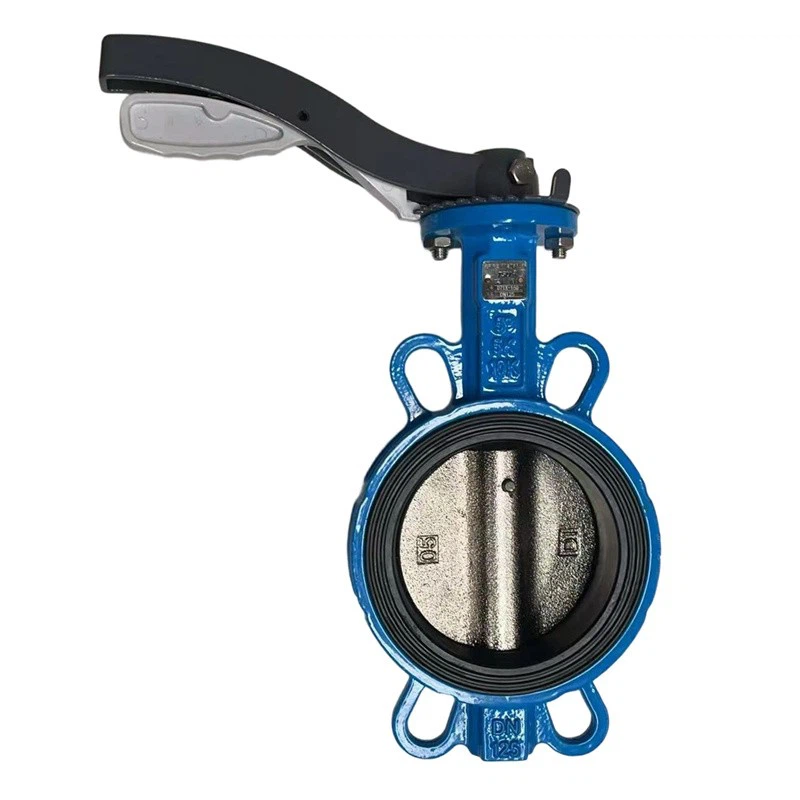
A worm gear butterfly valve consists of a disc that rotates within a pipe, controlled by a worm gear mechanism. The valve is designed to regulate the flow of fluids such as water, air, or gas. The worm gear provides mechanical advantage, allowing for easier operation and more precise control compared to other types of valve actuators. Before testing, it is essential to have a clear understanding of the valve's specifications, including its size, pressure rating, temperature range, and material of construction.
Visual Inspection
The first step in testing a worm gear butterfly valve is a thorough visual inspection. Check the valve body for any signs of damage, such as cracks, dents, or corrosion. Examine the worm gear and its housing for proper assembly, lubrication, and wear. Inspect the disc and seat for smoothness and any debris or foreign particles that may affect the valve's sealing performance. A well - maintained and visually intact valve is more likely to perform well during subsequent tests.
Leakage Testing
Leakage testing is one of the most critical performance tests for a worm gear butterfly valve. There are two main types of leakage tests: shell leakage test and seat leakage test.
Shell Leakage Test
The shell leakage test checks the integrity of the valve body. The valve is typically filled with a test medium, usually water or air, at a specified pressure. The pressure is maintained for a certain period, and any leakage from the valve body is carefully monitored. For a Worm Gear Operated Flange Butterfly Valve, special attention should be paid to the flange connections as these are common areas for potential leakage. The test pressure and duration are determined by industry standards and the valve's design specifications.
Seat Leakage Test
The seat leakage test evaluates the valve's ability to seal when fully closed. The valve is closed, and a pressure is applied to the upstream side. The amount of leakage through the seat is measured. Different industries have different acceptable leakage rates, depending on the application. For example, in a high - purity chemical process, a very low seat leakage rate is required, while in some less critical applications, a slightly higher rate may be acceptable.
Torque Testing
Torque testing measures the amount of force required to operate the worm gear butterfly valve. It is important to ensure that the valve can be opened and closed with a reasonable amount of torque. Excessive torque may indicate problems such as misalignment, binding, or improper lubrication. On the other hand, too little torque may suggest a loose or damaged component.
To perform a torque test, a torque wrench is used to measure the torque applied to the valve stem as the valve is opened and closed. The test results are compared to the valve's design specifications. If the measured torque is outside the acceptable range, further investigation is needed to identify and correct the issue.
Flow Characteristics Testing
Testing the flow characteristics of a worm gear butterfly valve is essential to understand how it affects the fluid flow in a system. This involves measuring the flow rate and pressure drop across the valve at different degrees of opening.
The valve is installed in a test rig with a known flow rate and pressure. As the valve is opened gradually from fully closed to fully open, the flow rate and pressure are measured continuously. The data collected is used to plot a flow characteristic curve, which shows the relationship between the valve opening and the flow rate and pressure drop. This curve can help engineers determine the valve's suitability for a particular application and optimize the system design.
Endurance Testing
Endurance testing is conducted to evaluate the long - term performance of the worm gear butterfly valve. The valve is subjected to a large number of opening and closing cycles under normal operating conditions. This test simulates the valve's actual usage over an extended period.
During the endurance test, the valve is monitored for any signs of wear, fatigue, or performance degradation. The torque required to operate the valve, the seat leakage rate, and the flow characteristics are measured periodically. Any changes in these parameters can indicate potential problems with the valve's components.
Temperature and Pressure Cycling Testing
In many industrial applications, worm gear butterfly valves are exposed to varying temperatures and pressures. Temperature and pressure cycling testing mimics these real - world conditions. The valve is subjected to a series of temperature and pressure changes, cycling between the minimum and maximum values specified in its design.
This test helps to identify any issues that may occur due to thermal expansion or contraction and pressure variations. For example, a Stainless Steel Butterfly Valve may perform well under normal conditions but could develop leakage or structural problems when exposed to extreme temperature and pressure changes.
Comparison with Industry Standards
When testing the performance of a worm gear butterfly valve, it is essential to compare the test results with relevant industry standards. Standards such as API, ASME, ISO, and others provide guidelines for valve design, manufacturing, and testing. Compliance with these standards ensures that the valve meets the quality and safety requirements expected in the market.
By comparing our test results with industry standards, we can verify the performance of our Gear Operated Butterfly Valve and make any necessary adjustments to improve its quality.

Importance of Testing for Our Customers
As a supplier, we understand that our customers rely on the performance of our worm gear butterfly valves in their operations. Rigorous testing ensures that our valves will function properly, minimizing the risk of downtime, leaks, and other operational issues. Whether our customers are in the water treatment, chemical processing, or HVAC industries, they can trust that our valves have been thoroughly tested to meet their needs.
Conclusion
Testing the performance of a worm gear butterfly valve is a comprehensive process that involves multiple aspects, from visual inspection to complex cycling tests. By conducting these tests, we can ensure that our valves meet the highest standards of quality and reliability. As a leading supplier of worm gear butterfly valves, we are committed to providing our customers with products that have been rigorously tested and verified.
If you are in the market for high - quality Worm Gear Butterfly Valve, we invite you to contact us for further information and to discuss your specific requirements. We look forward to the opportunity to serve you and help you find the best valve solutions for your applications.
References
- API Standards: American Petroleum Institute standards related to valve testing and performance.
- ASME Standards: American Society of Mechanical Engineers standards for valve design and testing.
- ISO Standards: International Organization for Standardization standards applicable to valve manufacturing and performance evaluation.


