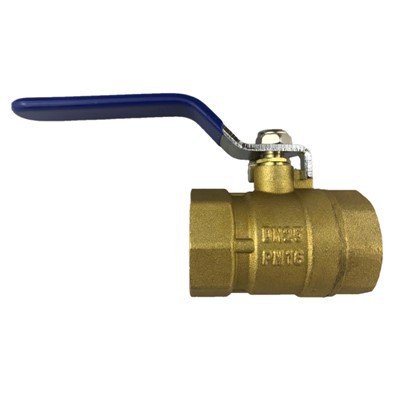
Gate valves are essential components in various industrial applications, controlling the flow of liquids and gases. As a gate valve supplier, I understand the critical role that valve design plays in determining its performance. In this blog, we'll explore how different aspects of gate valve design can significantly impact its functionality, efficiency, and reliability.
Sealing Design
One of the most crucial aspects of a gate valve's design is its sealing mechanism. The seal is responsible for preventing leakage when the valve is closed, ensuring that the flow is completely shut off. There are two main types of seals used in gate valves: soft seals and metal seals.
Soft seals, typically made of materials like rubber or PTFE, offer excellent sealing performance, even at low pressures. They can conform to irregularities on the valve seat, providing a tight seal that minimizes leakage. However, soft seals may have limitations in high-temperature or high-pressure applications, as the materials can degrade over time.
On the other hand, Metal Seated Gate Valve are designed to withstand extreme conditions. Metal-to-metal seals are more durable and can handle higher temperatures and pressures compared to soft seals. They are commonly used in industries such as oil and gas, power generation, and chemical processing, where reliability and safety are paramount.
The design of the sealing surface also plays a significant role in the valve's performance. A smooth and flat sealing surface ensures a better seal, reducing the risk of leakage. Additionally, the angle of the sealing surface can affect the valve's ability to open and close smoothly. A well-designed sealing surface will minimize friction and wear, extending the valve's service life.
Body and Bonnet Design
The body and bonnet of a gate valve house the internal components and provide the structural support for the valve. The design of these components can impact the valve's strength, durability, and ease of maintenance.
The body of a gate valve is typically made of cast or forged metal, such as carbon steel, stainless steel, or alloy steel. The choice of material depends on the application requirements, including the type of fluid being handled, the operating pressure and temperature, and the corrosiveness of the environment. A properly designed body will have sufficient wall thickness to withstand the internal pressure without deformation or failure.
The bonnet is the cover that seals the top of the valve body and provides access to the internal components for maintenance and repair. There are several types of bonnet designs, including bolted bonnets, welded bonnets, and pressure-sealed bonnets. Bolted bonnets are the most common type, as they are easy to install and remove for maintenance. Welded bonnets offer a more permanent seal, making them suitable for high-pressure applications. Pressure-sealed bonnets are designed to provide a tight seal under high-pressure conditions, using the system pressure to enhance the sealing force.
The connection between the body and the bonnet is also critical for the valve's performance. A well-designed connection will ensure a leak-free seal and prevent the ingress of contaminants into the valve. Additionally, the design should allow for easy disassembly and reassembly of the valve for maintenance and repair.
Gate Design
The gate is the movable component of the gate valve that controls the flow of fluid through the valve. The design of the gate can affect the valve's flow characteristics, pressure drop, and sealing performance.
There are two main types of gate designs: solid gates and flexible gates. Solid gates are made of a single piece of metal and are typically used in applications where a tight shut-off is required. They offer excellent sealing performance but may have a higher pressure drop compared to flexible gates.
Flexible gates, on the other hand, are designed to flex slightly as they close, allowing them to conform to the valve seat and provide a better seal. They are commonly used in applications where the fluid contains solids or where the valve needs to be opened and closed frequently. Flexible gates can reduce the pressure drop across the valve, improving the overall efficiency of the system.
The shape of the gate can also impact the valve's performance. A wedge-shaped gate is the most common type, as it provides a tight seal when closed. However, other shapes, such as parallel gates and knife gates, may be used in specific applications. Parallel gates are designed to provide a uniform flow distribution and are commonly used in large-diameter valves. Knife gates are used in applications where the fluid contains solids or where a quick shut-off is required.
Stem Design
The stem is the component that connects the actuator to the gate and transfers the force required to open and close the valve. The design of the stem can affect the valve's operation, reliability, and ease of maintenance.
There are two main types of stem designs: rising stems and non-rising stems. Rising stems are visible outside the valve bonnet and move up and down as the valve is opened and closed. This design allows for easy visual indication of the valve's position and is commonly used in applications where the valve needs to be operated manually.
Non-rising stems, on the other hand, do not move outside the valve bonnet. Instead, the gate moves up and down on the stem as the valve is opened and closed. Non-rising stems are more compact and are commonly used in applications where space is limited.
The material and size of the stem are also important considerations. The stem should be made of a strong and corrosion-resistant material, such as stainless steel or alloy steel, to ensure its durability. Additionally, the stem should be sized appropriately to handle the force required to open and close the valve without bending or breaking.
Actuator Design
The actuator is the device that provides the force required to open and close the gate valve. There are several types of actuators available, including manual actuators, electric actuators, pneumatic actuators, and hydraulic actuators.
Manual actuators are the simplest and most cost-effective type of actuator. They are typically used in applications where the valve needs to be operated infrequently or where power is not available. Manual actuators can be operated using a handwheel, a lever, or a gearbox.
Electric actuators are powered by electricity and offer precise control over the valve's position. They are commonly used in applications where automation is required or where the valve needs to be operated remotely. Electric actuators can be programmed to open and close the valve at specific times or in response to certain conditions.
Pneumatic actuators are powered by compressed air and are known for their fast operation and high torque. They are commonly used in applications where a quick response is required or where the valve needs to be operated in hazardous environments. Pneumatic actuators can be controlled using a solenoid valve or a pneumatic controller.
Hydraulic actuators are powered by hydraulic fluid and offer high force and precise control. They are commonly used in applications where large valves need to be operated or where the valve needs to be operated under high-pressure conditions. Hydraulic actuators can be controlled using a hydraulic pump and a control valve.
The design of the actuator should be compatible with the valve's requirements, including the size, type, and operating conditions. A properly designed actuator will ensure smooth and reliable operation of the valve, reducing the risk of downtime and maintenance costs.
Conclusion
In conclusion, the design of a gate valve has a significant impact on its performance. From the sealing mechanism to the actuator, every component plays a crucial role in determining the valve's functionality, efficiency, and reliability. As a gate valve supplier, we understand the importance of providing high-quality valves that are designed to meet the specific needs of our customers.
Whether you're looking for a Metal Seated Gate Valve, a Mechanical Locking Gate Valve, or a Grooved Signal Gate Valve, we have the expertise and experience to provide you with the right solution. Our team of engineers and technicians can work with you to understand your requirements and recommend the best valve design for your application.


If you're interested in learning more about our gate valves or have any questions about valve design and performance, please don't hesitate to contact us. We're here to help you find the perfect valve solution for your needs and ensure the smooth operation of your industrial processes.
References
- ASME B16.34 - Valves - Flanged, Threaded, and Welded End
- API 600 - Steel Gate, Globe, and Check Valves for Petroleum, Petrochemical, and Related Industries
- ISO 5208 - Industrial Valves - Pressure Testing of Valves