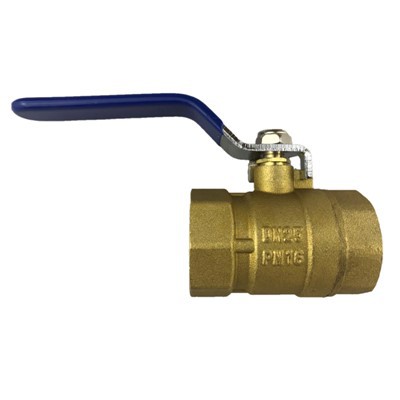
In the contemporary era, environmental sustainability has become a pressing global concern. As a supplier of Grooved Signal Gate Valves, we recognize the responsibility to contribute to a greener future. This blog post aims to explore various ways in which Grooved Signal Gate Valves can be made more environmentally friendly, aligning with the growing demand for sustainable solutions in the industrial sector.
Material Selection
The choice of materials in manufacturing Grooved Signal Gate Valves plays a crucial role in their environmental impact. Opting for sustainable materials can significantly reduce the carbon footprint of the valves. For instance, using recycled metals such as stainless steel can help conserve natural resources and reduce energy consumption during the production process. Stainless steel is not only durable but also resistant to corrosion, ensuring a longer lifespan for the valves and minimizing the need for frequent replacements.
In addition to recycled metals, we can also consider using biodegradable or eco - friendly polymers. These materials can be sourced from renewable resources and have a lower environmental impact compared to traditional plastics. By incorporating these sustainable materials into our valve designs, we can make our Grooved Signal Gate Valves more environmentally friendly from the very beginning of their life cycle.


Energy Efficiency
Improving the energy efficiency of Grooved Signal Gate Valves is another important aspect of making them more sustainable. One way to achieve this is by optimizing the valve design to reduce the amount of energy required for operation. For example, using low - friction materials for the valve components can minimize the force needed to open and close the valve, thereby reducing the energy consumption of the system.
We can also explore the use of smart technology in our valves. Smart valves can be equipped with sensors that monitor the flow rate, pressure, and other parameters in real - time. This data can be used to optimize the valve operation, ensuring that it is only opened or closed when necessary. By reducing unnecessary valve operations, we can save energy and improve the overall efficiency of the system.
Waste Reduction
Reducing waste is a key part of environmental sustainability. In the manufacturing process of Grooved Signal Gate Valves, we can implement measures to minimize waste generation. For example, we can optimize the cutting and machining processes to reduce scrap material. Additionally, we can recycle the waste materials generated during production, such as metal shavings and excess plastic, to create new valve components or other products.
During the installation and maintenance of the valves, we can also promote waste reduction. By providing clear instructions on proper installation and maintenance procedures, we can help our customers avoid unnecessary damage to the valves, which can lead to premature replacement and waste generation.
Lifecycle Assessment
Conducting a lifecycle assessment (LCA) of Grooved Signal Gate Valves is essential to understand their environmental impact throughout their entire life cycle. An LCA takes into account all the stages of the valve's life, from raw material extraction and manufacturing to use and disposal. By analyzing the environmental impacts at each stage, we can identify areas where improvements can be made.
For example, if the LCA shows that a significant amount of energy is consumed during the transportation of the valves, we can explore ways to reduce the transportation distance or use more energy - efficient transportation methods. Similarly, if the disposal stage has a high environmental impact, we can develop strategies for proper recycling or reuse of the valves at the end of their life.
Product Design for Disassembly and Recycling
Designing Grooved Signal Gate Valves for easy disassembly and recycling is an important step towards environmental sustainability. By using modular designs and standardized components, we can make it easier to separate the different parts of the valve at the end of its life. This allows for more efficient recycling of the materials, reducing the amount of waste sent to landfills.
We can also label the different components of the valve to indicate their material composition, making it easier for recyclers to identify and process the materials. Additionally, providing recycling guidelines to our customers can encourage them to properly dispose of the valves at the end of their life, ensuring that the materials are recycled rather than discarded.
Collaboration with Suppliers and Partners
Collaborating with our suppliers and partners is crucial in making our Grooved Signal Gate Valves more environmentally friendly. We can work with our suppliers to source sustainable materials and ensure that they meet our environmental standards. By establishing long - term partnerships, we can also encourage our suppliers to adopt more sustainable practices in their own operations.
In addition, we can collaborate with research institutions and industry associations to stay updated on the latest environmental technologies and best practices. This collaboration can help us develop innovative solutions for making our valves more sustainable and competitive in the market.
Case Studies
Let's take a look at some real - world examples of how Grooved Signal Gate Valves can be made more environmentally friendly. In a water treatment plant, a company replaced their old gate valves with Grooved Signal Gate Valves made from recycled stainless steel. The new valves not only had a lower environmental impact during production but also had a longer lifespan, reducing the need for frequent replacements. The use of smart technology in the valves allowed for better control of the water flow, resulting in significant energy savings.
Another example is a chemical processing plant that implemented a waste reduction program for their valve manufacturing. By optimizing the production process and recycling waste materials, they were able to reduce the amount of waste sent to landfills by 30%. This not only had a positive environmental impact but also reduced the production costs.
Conclusion
Making Grooved Signal Gate Valves more environmentally friendly is a multi - faceted challenge that requires a comprehensive approach. By focusing on material selection, energy efficiency, waste reduction, lifecycle assessment, product design for disassembly and recycling, and collaboration with suppliers and partners, we can significantly reduce the environmental impact of our valves.
As a supplier of Grooved Signal Gate Valves, we are committed to leading the way in environmental sustainability. We believe that by providing more sustainable valve solutions, we can not only meet the growing demand for environmentally friendly products but also contribute to a greener future.
If you are interested in our Grooved Signal Gate Valves or want to discuss how we can work together to achieve greater environmental sustainability, please feel free to contact us for procurement and further discussions. We offer a range of valve products, including Non Rising Stem Gate Valve, Resilient Seat Gate Valve, and Rising Stem Flanged Gate Valve.
References
- ISO 14040:2006, Environmental management - Life cycle assessment - Principles and framework.
- ASTM D6866 - 18, Standard Test Methods for Determining the Biobased Content of Solid, Liquid, and Gaseous Samples Using Radiocarbon Analysis.
- BSI PAS 2050:2011, Specification for the assessment of the life cycle greenhouse gas emissions of goods and services.