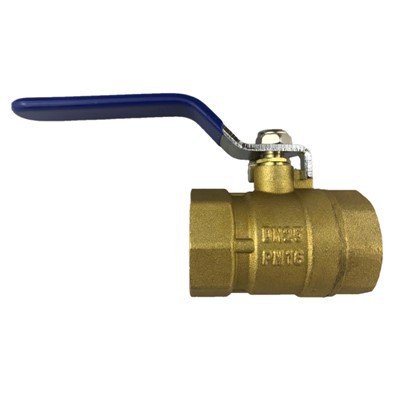
As a leading supplier of Grooved Signal Gate Valves, I am frequently asked about the feasibility of automatic operation for these specialized valves. In this blog, we will delve into the technical aspects of Grooved Signal Gate Valves and explore whether they can indeed be operated automatically.
Understanding Grooved Signal Gate Valves
Before discussing automatic operation, it's essential to understand what Grooved Signal Gate Valves are. These valves are a type of gate valve that features a grooved end connection, which simplifies the installation process by reducing the need for complex welding or threading. The "signal" in the name refers to the valve's ability to provide a signal indicating its open or closed status. This can be crucial in many applications, such as fire protection systems, where real - time valve status monitoring is essential.
Grooved Signal Gate Valves are typically used in a variety of industries, including water treatment, HVAC, and industrial processing. They are designed to control the flow of fluids, mainly water, and can handle different pressure and temperature ranges depending on their construction materials.
The Basics of Automatic Valve Operation
Automatic valve operation involves the use of external devices to open and close the valve without manual intervention. There are several methods to achieve this, including electric actuators, pneumatic actuators, and hydraulic actuators.
- Electric Actuators: These use an electric motor to turn the valve stem. They are relatively easy to install and can be controlled remotely using electrical signals. Electric actuators are suitable for applications where precise control is required, and the power supply is readily available.
- Pneumatic Actuators: Pneumatic actuators use compressed air to move the valve. They are known for their fast operation and high reliability. Pneumatic systems are often used in industrial settings where compressed air is already part of the infrastructure.
- Hydraulic Actuators: Hydraulic actuators rely on hydraulic fluid to generate the force needed to open and close the valve. They are capable of handling large valves and high - pressure applications.
Can a Grooved Signal Gate Valve be Operated Automatically?
The short answer is yes, a Grooved Signal Gate Valve can be operated automatically. The key lies in the compatibility of the valve with the appropriate actuator.


Most Grooved Signal Gate Valves are designed with a stem that can be coupled to an actuator. The valve's stem is the part that is turned to open or close the gate inside the valve. By attaching an electric, pneumatic, or hydraulic actuator to the stem, the valve can be controlled automatically.
However, there are some considerations to keep in mind when automating a Grooved Signal Gate Valve:
- Valve Size and Pressure Rating: The size and pressure rating of the valve will determine the type and size of the actuator required. Larger valves and those operating at higher pressures will need more powerful actuators to ensure proper operation.
- Actuator Compatibility: The actuator must be compatible with the valve's stem type and design. For example, some valves have rising stems, while others have non - rising stems. The actuator must be designed to work with the specific stem type of the Grooved Signal Gate Valve. You can learn more about different types of gate valves, such as Metal Seated Gate Valve, Resilient Seat Gate Valve, Grooved Rising Stem Gate Valve, Non Rising Stem Gate Valve, and Rising Stem Gate Valve on our website.
- Environmental Conditions: The operating environment can also affect the choice of actuator. For example, in harsh or corrosive environments, a pneumatic actuator may be more suitable as it is less prone to corrosion compared to an electric actuator.
Advantages of Automatic Operation for Grooved Signal Gate Valves
Automatically operating Grooved Signal Gate Valves offers several advantages:
- Remote Monitoring and Control: With automatic operation, the valve can be monitored and controlled remotely. This is particularly useful in large - scale industrial plants or in applications where access to the valve is difficult or dangerous.
- Improved Safety: Automatic valves can be programmed to respond to certain conditions, such as over - pressure or high - temperature events. In case of an emergency, the valve can be closed automatically, reducing the risk of accidents.
- Increased Efficiency: Automated operation allows for more precise control of fluid flow. The valve can be opened and closed at the exact time and to the exact degree required, leading to improved system efficiency and reduced energy consumption.
Disadvantages and Challenges
Despite the advantages, there are also some disadvantages and challenges associated with automatic operation of Grooved Signal Gate Valves:
- Cost: The initial cost of purchasing and installing an actuator can be significant. In addition, there may be ongoing maintenance costs associated with the actuator.
- Complexity: Automated systems are more complex than manual systems. This means that there is a higher risk of system failures, and troubleshooting can be more difficult.
- Power Dependence: Electric actuators rely on a continuous power supply. In case of a power outage, the valve may not be operable unless a backup power source is available.
How to Choose the Right Actuator for Your Grooved Signal Gate Valve
When choosing an actuator for your Grooved Signal Gate Valve, consider the following factors:
- Valve Requirements: Determine the torque and thrust requirements of the valve. This information can usually be obtained from the valve manufacturer.
- Actuator Type: Based on your application, choose between electric, pneumatic, or hydraulic actuators. Consider factors such as power availability, speed of operation, and environmental conditions.
- Control System: Decide on the control system you want to use. This can range from simple on - off control to more sophisticated proportional control.
Conclusion
In conclusion, a Grooved Signal Gate Valve can be operated automatically by coupling it with an appropriate actuator. Automatic operation offers numerous benefits in terms of remote control, safety, and efficiency. However, it also comes with some challenges, such as higher costs and increased complexity.
If you are considering automating your Grooved Signal Gate Valves, we are here to help. As a trusted supplier of Grooved Signal Gate Valves, we have the expertise and experience to assist you in choosing the right actuator and ensuring a smooth installation process. Contact us for more information on how we can meet your valve automation needs and start a procurement discussion.
References
- Valve Handbook, 4th Edition, by Robert W. Miller
- Industrial Valves: A Practical Guide, by David W. Spitzer